2026 Flagship Comparison: Samsung Galaxy S26 Ultra vs. OnePlus 15
As the 2026 smartphone season kicks off, the industry faces a crossroads between refined iteration and bold hardware experimentation. We compare the Samsung Galaxy S26 Ultra and the OnePlus 15 to see which flagship earns its premium price tag.

The mobile landscape of 2026 is defined by a distinct divergence in philosophy. On one side, established leaders are doubling down on software ecosystems and security; on the other, performance-focused challengers are breaking traditional hardware limits. The Samsung Galaxy S26 Ultra and the OnePlus 15 represent the pinnacle of these two paths.
Here is how these 2026 heavyweights stack up in the areas that matter most to tech-forward users.
Samsung Galaxy S26 Ultra: The Security and Productivity Hub
Samsung’s 2026 strategy prioritizes the "Ultra" as a sophisticated tool for professionals. Rather than chasing raw battery numbers, the S26 Ultra introduces quality-of-life innovations that aim to redefine the premium experience.
- Integrated Privacy Display: The standout hardware feature of the S26 Ultra is the "Flex Magic Pixel" layer. This built-in privacy filter allows users to narrow the display's viewing angles via software, shielding sensitive information from "shoulder surfers" in public spaces without needing a third-party screen protector.
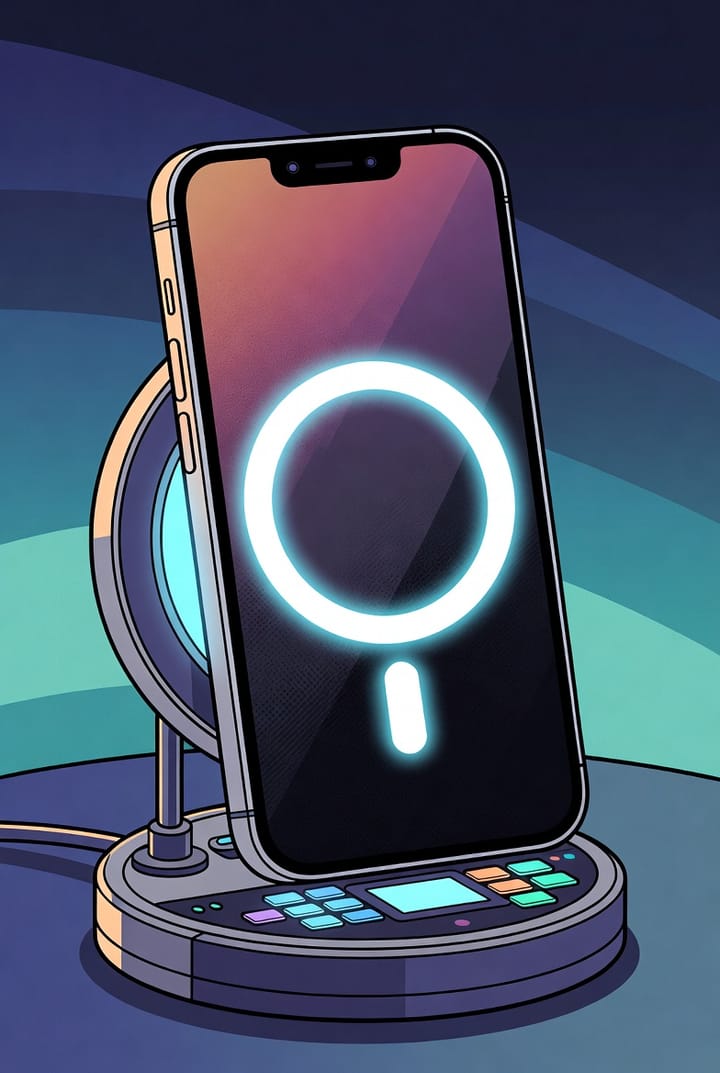
- The Move to Qi2: Samsung has finally adopted the Qi2 wireless charging standard, bringing a ring of magnets to the rear of the device. This opens up a vast ecosystem of snap-on batteries, wallets, and mounts, standardizing the magnetic convenience previously exclusive to other platforms.
- A Refined Camera Stack: While the 200MP main sensor remains the centerpiece, the S26 Ultra has upgraded its secondary telephoto lenses to 50MP across the board. The goal here is "optical parity," ensuring that whether you are shooting at 0.5x, 1x, 3x, or 5x, the color science and detail remain perfectly consistent.
OnePlus 15: The New Standard for Endurance
If Samsung is the office powerhouse, the OnePlus 15 is the undisputed marathon runner of 2026. OnePlus has made bold hardware trade-offs to address the single biggest pain point in mobile tech: battery anxiety.
- 7,300mAh Silicon-Carbon Battery: Utilizing high-density silicon-carbon technology, OnePlus has managed to fit a massive 7,300mAh battery into a frame that remains just 8.1mm thick. This allows for genuine two-day battery life even under heavy workloads, a feat currently unmatched by mainstream competitors.
- The 1.5K Display Shift: To achieve this level of endurance, OnePlus moved from a QHD+ resolution to a 1.5K LTPO panel. While technically a lower pixel density than previous years, the 1.5K resolution is optimized for efficiency and is nearly indistinguishable from QHD at a standard viewing distance, especially with its staggering 165Hz refresh rate.
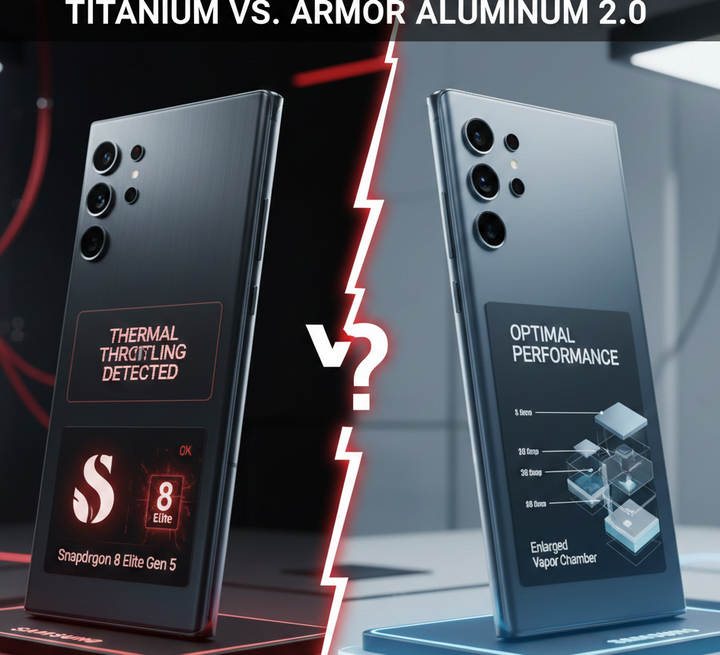
- Extreme Performance: Powered by the Snapdragon 8 Elite Gen 5, the OnePlus 15 focuses on sustained peak performance. With a larger vapor chamber cooling system and 120W SuperVOOC charging, it is designed for users who treat their phone as a primary gaming and media consumption device.
Technical Specification Comparison
| Feature | Samsung Galaxy S26 Ultra | OnePlus 15 |
| Display | 6.9-inch QHD+ (Privacy Layer) | 6.78-inch 1.5K (165Hz) |
| Processor | Snapdragon 8 Elite Gen 5 (Custom) | Snapdragon 8 Elite Gen 5 |
| Battery | 5,000 mAh | 7,300 mAh |
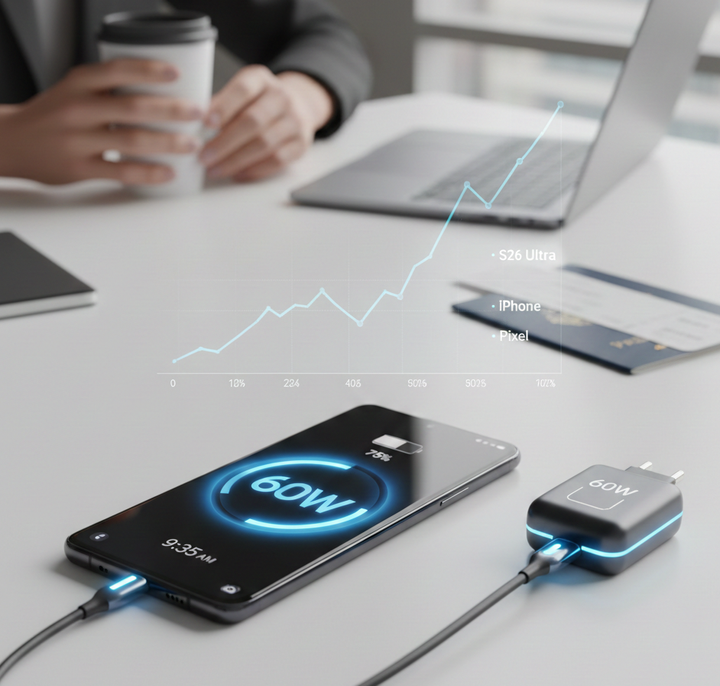
| Charging | 60W Wired / 25W Qi2 | 120W Wired / 50W Wireless |
| Primary Camera | 200 MP f/1.4 | 50 MP f/1.6 |
| Software | One UI 8.5 (7 Years Support) | OxygenOS 16 (4-5 Years Support) |
Innovation vs. Iteration: The Final Breakdown
The choice between these two devices in 2026 comes down to how you define "innovation."
For the user who values longevity and speed, the OnePlus 15 is the clear winner. Its leap in battery technology and charging speeds makes it a transformative device for power users who are tired of being tethered to a wall outlet.
For the ecosystem and productivity enthusiast, the Samsung Galaxy S26 Ultra remains the more complete package. Its superior display resolution, integrated S-Pen, and groundbreaking privacy features cater to a "no-compromise" professional lifestyle, even if the battery capacity remains conservative by 2026 standards.