California’s Maker Faires & the Future of Home Making
California’s Maker Faires are buzzing with creativity again — from kids tinkering with robots to pros showing off next-gen CNC machines. The maker community is growing fast, and the future of home fabrication has never looked more exciting.
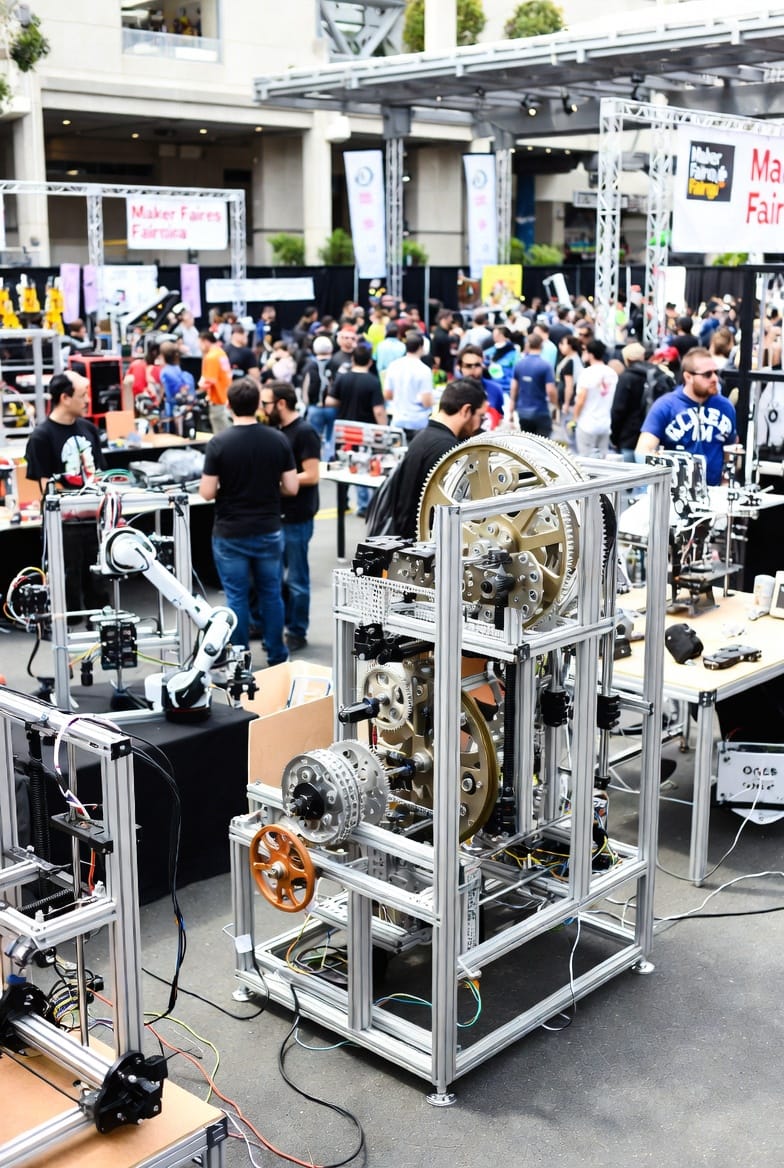
If you’ve been to a Maker Faire in California recently, you know the energy is something special. It’s part science fair, part arts festival, part “I didn’t know you could build that in a garage.” Whether it’s the Bay Area, Los Angeles, or one of the many community Faires popping up around the state, these events feel like a reunion of people who love to take things apart and make something new.
What really stands out is how much the community has grown. You see families soldering together, students testing DIY drones, engineers explaining their passion projects, and artists building things that look like they belong in a sci-fi movie. It’s messy, loud, creative — and absolutely inspiring.
A Community That Builds Together
One of the coolest parts of the Maker Movement is how welcoming it is. California has tons of makerspaces now — community workshops filled with laser cutters, sewing machines, resin printers, and people who are excited to help you figure things out.
Walk into any of these spaces and you’ll find someone teaching a workshop, someone troubleshooting a 3D print gone wrong, and someone prototyping an invention they swear will be the “next big thing.” It’s a mix of hobbyists, teachers, engineers, and curious beginners, all learning side-by-side.
And honestly? That sense of shared discovery is one of the most powerful things keeping this movement alive.
Home CNC Machines: The New Star of the Maker Scene
For years, 3D printing was the rockstar of Maker Faire — and it’s still huge — but desktop CNC machines are stealing more and more attention.
Today’s machines are quieter, smarter, safer, and surprisingly compact. You can carve wood, aluminum, PCBs, foam, even wax for jewelry molds… all from a desk-sized machine in your garage or home office.
What used to require a full workshop now fits on a rolling cart next to your toolbox.
The most exciting trend? Hybrid machines that handle multiple fabrication jobs — milling, engraving, drilling, even automated tool-changing — without needing a giant setup. It’s the kind of tech that makes you think, Maybe I actually can build that product idea I’ve had for years.
3D Printing Keeps Getting Better (and Faster)
Meanwhile, 3D printing has leveled up dramatically. The printers showcased at California Faires now feature:
- Faster printing speeds
- Cleaner resin systems
- Better calibration tools
- Multi-color and multi-material printing
- Stronger, more detailed output
Printers that used to be “expert-only” are now pretty friendly for beginners. It’s become normal for families to have a 3D printer at home just for fun projects, cosplay props, or fixing household items.
And if you’re deep in STEM or robotics (hello, FLL teams!), the new generation of printers makes prototyping parts incredibly fast and affordable.
Why This Matters
The rise of these tools isn’t just about cool gadgets — it’s changing how we learn, create, and build.
Making is becoming democratized.
Anyone with curiosity and a little space can become a designer, engineer, or inventor.
Kids are learning hands-on skills earlier.
They see real-world results: “I designed this… and now it exists!”
Entrepreneurs can prototype from home.
That lowers the risk, cost, and time needed to test ideas or launch small products.
Art meets engineering in new ways.
Makers blend tech and creativity in ways that traditional industries often can’t.
Where Home Fabrication Is Heading Next
You can already see the future forming at Maker Faires:
- CNC machines that practically run themselves
- 3D printers with AI-assisted design tools
- Compact robotic tools that switch tasks on the fly
- More affordable machines under $1,000
- Maker communities offering mentorship and shared equipment
- Smarter software that turns sketches into finished designs
We’re heading toward a world where every garage could be a mini factory — or a personal art studio — depending on what you want to create.