Comparing ZIF vs. Non-ZIF FFC FPC Connectors: When to Use Autolock or Slider Mechanisms
Not all FPC connectors are created equal. We break down the physics of insertion force, the reliability of autolocks, and why your assembly method dictates your connector choice.
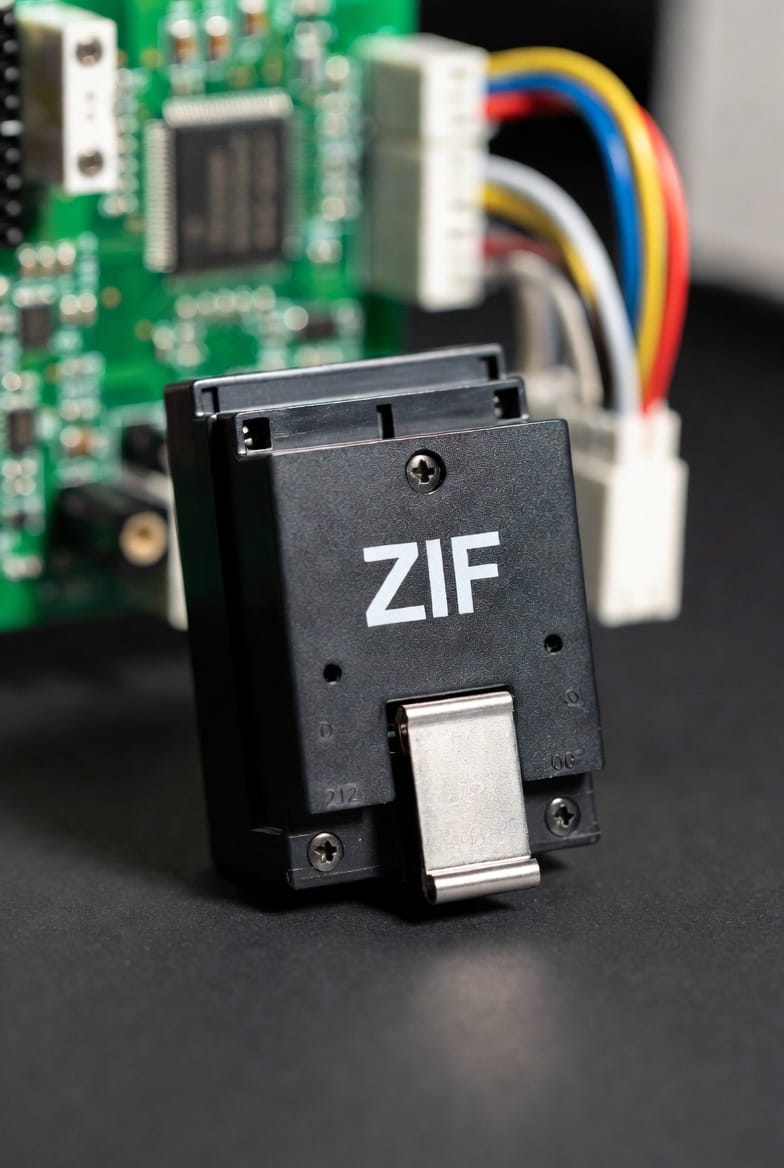
In the world of Flexible Printed Circuit (FPC) interconnects, the battle between ZIF (Zero Insertion Force) and Non-ZIF (Low Insertion Force) isn’t just about cost—it’s about the lifecycle of your product. As we move into 2026, the complexity of these mechanisms has evolved from simple plastic flaps to high-precision "Autolock" systems that bridge the gap between ease of use and extreme retention.
ZIF: The Precision Standard
The ZIF connector is the go-to for high-pin-count, high-density applications. The core mechanical advantage is in the name: zero force. When the actuator is open, the "throat" of the connector is wider than the FPC itself.
- The Wear Factor: Because there is no friction during insertion, the gold fingers on your FPC aren't being scraped. This is critical if you are using ultra-thin 0.1mm polyimide FPCs that would buckle or fold if pushed into a friction-fit slot.
- Slider vs. Flip: Most 2026 designs have moved away from the "slider" (where you pull a tray out) toward the "flip-lock." Sliders are notorious for breaking if an operator pulls too hard. Flip-locks, especially Molex Easy-On variants, provide better tactile feedback—you feel the "click" when the cam engages, ensuring the contact beams are properly compressed against the FPC.
Non-ZIF: The Fast-and-Rough Alternative
Non-ZIF connectors (LIF) rely on purely mechanical friction. You simply shove the cable in.
- The "Wiping" Benefit: Every time you insert a cable into a Non-ZIF connector, the terminals "wipe" the surface of the FPC. This is actually a benefit in dusty environments, as the friction clears away surface oxidation and debris.
- The Buckling Risk: The downside is the insertion force. For 0.5mm or 0.3mm pitch cables, the FPC is often so flimsy that it bends before it seats. Non-ZIF is generally reserved for larger 1.0mm pitch applications or FPCs with very thick FR4 stiffeners.
The Rise of the Autolock
The most significant trend in 2026 is the Autolock FPC. This mechanism combines the best of both worlds. Brands like Hirose and I-PEX have pioneered "One-Touch" connectors.
- How it works: The connector is essentially a "smart" Non-ZIF. You push the cable in, and a spring-loaded mechanical hook snaps into side-notches (ears) on the FPC.
- Why it's winning: It eliminates the most common human error in assembly—forgetting to close the ZIF lever. In a robotic assembly line, the robot doesn't need a secondary actuator to flip a tiny plastic flap; it just pushes the cable until the "click" is registered by a force sensor. For automotive and industrial applications, this "click" is the only way to guarantee the cable won't vibrate loose over time.