The Five-Year Longevity Illusion: Why Lithium Chemistry Limits Software Promises
While smartphone brands proudly promise up to seven years of continuous software updates, long-term users are discovering that physical battery degradation remains a hard limit.
A major marketing battleground among premium smartphone manufacturers is the length of software support windows. Brands are proudly outbidding each other by promising five, six, or even seven years of continuous operating system upgrades and security patches. It's an excellent narrative for sustainability and long-term value. However, look at long-term user threads tracking older flagships like the Pixel 6 Pro, and a glaring contradiction emerges: a device is only as sustainable as its chemical battery cell.
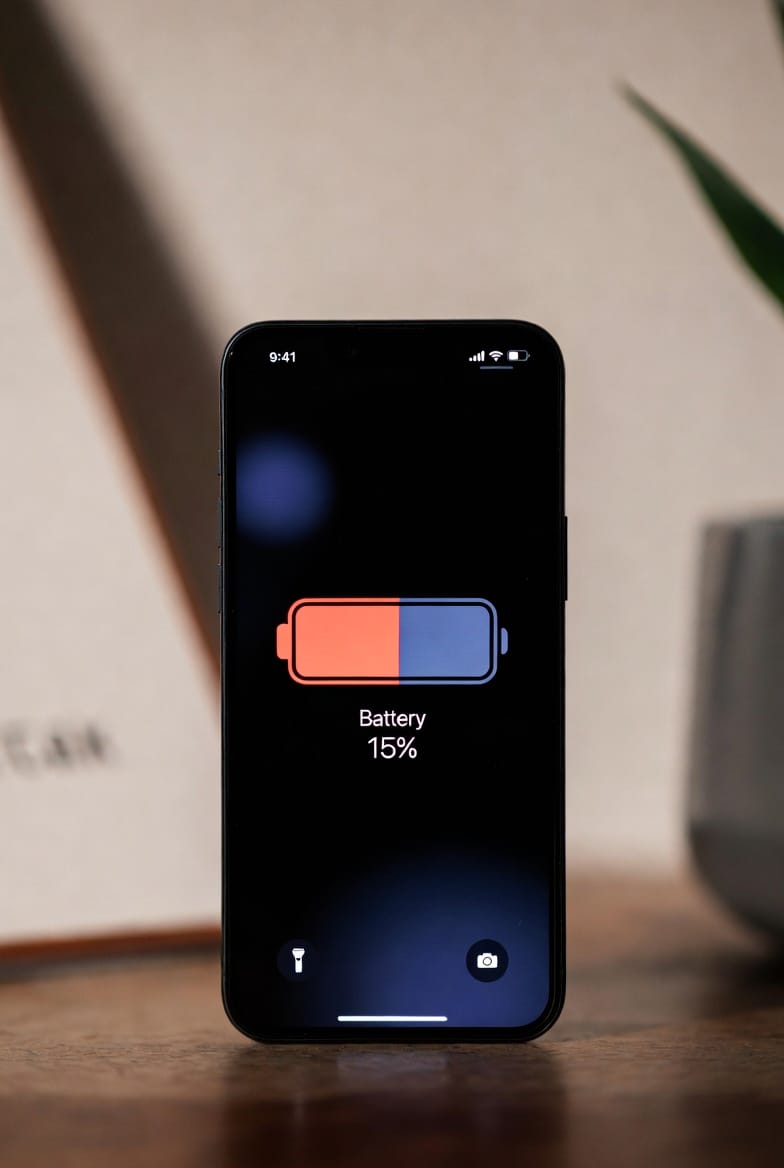
While modern mobile processors possess more than enough computational headroom to handle operating system updates half a decade from now, the underlying lithium-ion battery chemistry obeys strict physical laws. After approximately 800 to 1,000 charge cycles, a typical lithium cell degrades to roughly 80% of its original capacity. For an average user, this threshold is crossed right around the two-to-three-year mark. Beyond this point, the device suffers from rapid thermal spikes, sporadic voltage drops, and severely degraded daily endurance.
This creates a massive discrepancy between software capability and hardware reality. A consumer might have a device running the latest, most secure operating system build, but if the handset shuts down after three hours of casual screen-on time, its real-world utility drops to zero. Because modern premium devices feature tightly sealed glass enclosures heavily dependent on industrial adhesives, replacing that degraded battery is a high-barrier task that most average consumers avoid.
If manufacturers want their multi-year software commitments to look like genuine sustainability initiatives rather than clever marketing bullet points, they have to address the physical hardware bottleneck. Without easily accessible, affordable battery replacement paths, a seven-year software update promise is simply extending the support lifespan of a device destined to sit permanently connected to a wall charger.