Into the Wild: Factoring in Temperature, Humidity, and IP Ratings
Environment is everything. From desert heat to coastal humidity, learn how to choose connector materials and IP ratings that actually last.
An FPC connector that works perfectly in a climate-controlled office might fail within weeks in a smart tractor or an outdoor security camera. When we talk about "environmental survival," we aren't just looking at a plastic box; we’re looking at Material Science. In 2026, the standard for automotive and industrial ECUs has pushed toward 125°C continuous operation, which is a nightmare for traditional plastics.
At these temperatures, standard nylon housings can become brittle or even warp. This is why you’ll see high-performance connectors utilizing LCP (Liquid Crystal Polymer). LCP is not only dimensionally stable under extreme heat, but it’s also inherently halogen-free, meeting the strict "Green Design" mandates of the EU and California. But heat is only half the battle. If your device is exposed to the elements, humidity and salt spray can lead to dendrite growth between pins, causing short circuits.
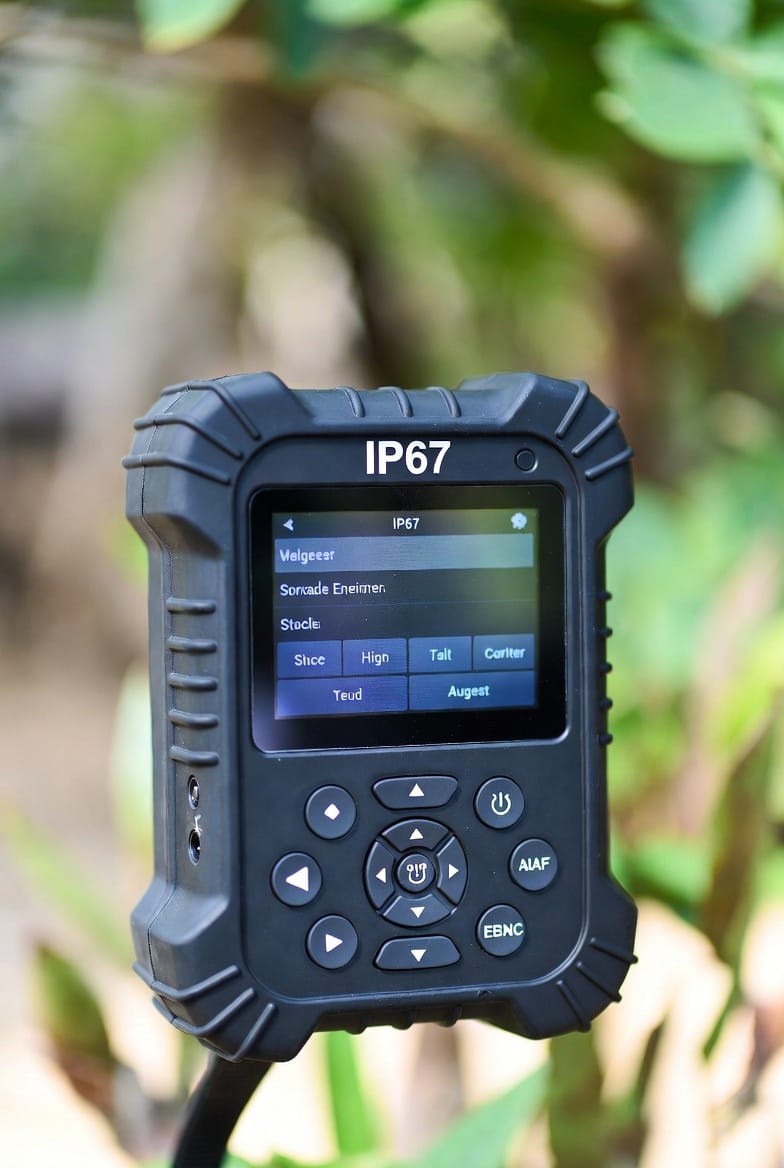
To combat this, look for connectors with integrated gaskets or those designed for conformal coating compatibility. While an IP67 rating is common for external enclosures, the internal connector often needs its own "rugged DNA." Whether you’re designing for a sub-zero sensor in the Arctic or a high-humidity greenhouse, checking the material's moisture absorption rate and thermal derating curve is the only way to guarantee your device doesn't become a "seasonal" product.