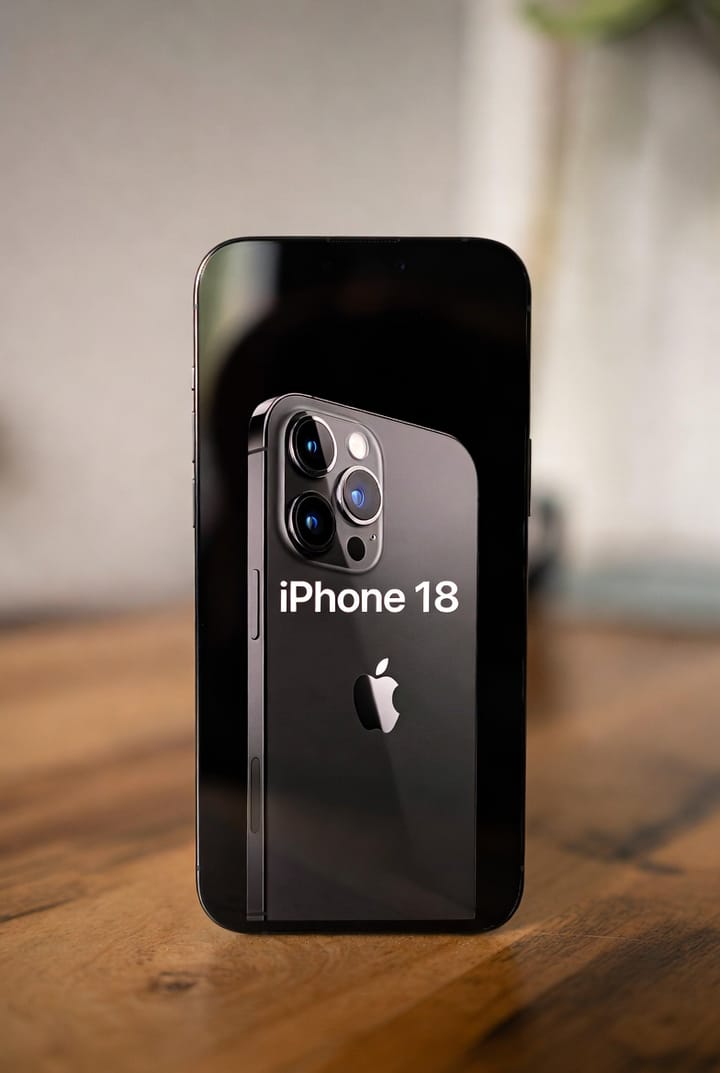
iPhone 17 Pro vs Galaxy S26 Ultra: When Flagship Phones Become Philosophy
Apple refines, Samsung flexes. The iPhone 17 Pro and Galaxy S26 Ultra represent two very different visions of flagship smartphones—and 2026 might be the most competitive year yet.
The 2026 flagship smartphone battle feels different. Not louder, not flashier—but sharper. This year’s showdown between the iPhone 17 Pro and the Galaxy S26 Ultra isn’t just about specs anymore. It’s about two fundamentally different approaches to what a premium phone should be.
On one side is Apple, quietly refining its formula. On the other is Samsung, pushing hardware boundaries as hard as physics allows. The result is peak tech in two very different flavors.
Apple’s rumored iPhone 17 Pro signals a subtle but important shift. A move to a 12GB RAM baseline finally brings Apple closer to Android flagships in raw memory, but the real story lies in the new A19 Pro chip. Built on an ultra-efficient 3nm process, the A19 Pro is clearly designed with on-device AI in mind. Apple isn’t chasing headline-grabbing numbers—it’s optimizing performance per watt, neural processing, and seamless integration across iOS.
This is classic Apple strategy. Instead of overwhelming users with specs, Apple focuses on how everything works together. Local AI tasks, photography processing, and system-wide intelligence are expected to feel faster and more consistent, even if the spec sheet looks modest next to its rival. The iPhone 17 Pro isn’t trying to win benchmarks—it’s trying to feel invisible in daily use.
Samsung, meanwhile, is doing what Samsung does best: going big.
The Galaxy S26 Ultra reads like a hardware enthusiast’s wish list. A massive 200MP main camera sensor, paired with the Snapdragon 8 Elite Gen 5, positions it as a powerhouse for photography, gaming, and AI-heavy workloads. Samsung isn’t just betting on performance—it’s betting on flexibility and user control.
One of the most intriguing rumored additions is integrated privacy screen technology, signaling Samsung’s push to blend hardware-level privacy with software features. It’s a reminder that Samsung often experiments where others hesitate, even if not every feature becomes mainstream.
Where Apple polishes, Samsung overwhelms—and that contrast has never been clearer.
This flagship war isn’t about which phone is “better” in a vacuum. It’s about what kind of experience you value. Apple offers ecosystem refinement: tight integration with Macs, iPads, AirPods, and a growing suite of AI features that feel cohesive rather than flashy. Samsung delivers raw hardware dominance: bigger sensors, more customization, and cutting-edge components that push limits.
In 2026, choosing a flagship phone feels less like a spec comparison and more like choosing a philosophy. Do you want a device that quietly anticipates your needs and fades into the background? Or one that puts power, control, and cutting-edge hardware front and center?
Either way, one thing is clear: the flagship smartphone war is far from over. If anything, this year proves it’s entering its most interesting phase yet.