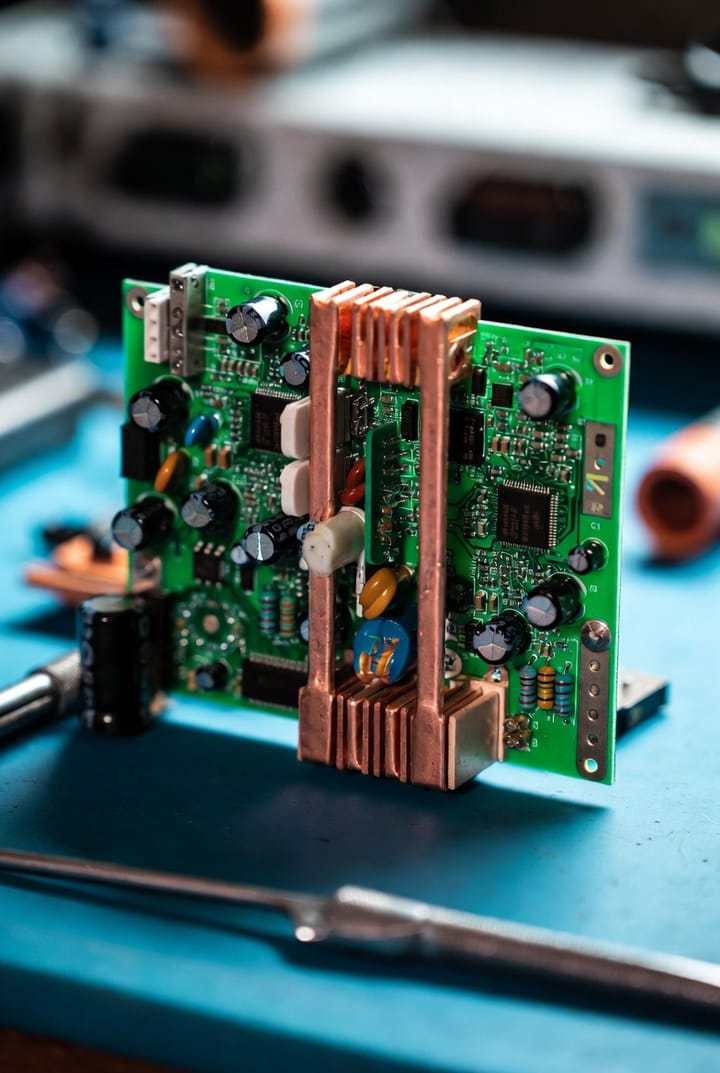
IRISO 10133B vs. Hirose FX23: Vibration Resistance for Industry 4.0
Industrial automation is brutal on solder joints. Compare the IRISO 10133B and Hirose FX23 to see which floating connector keeps your PLC alive.
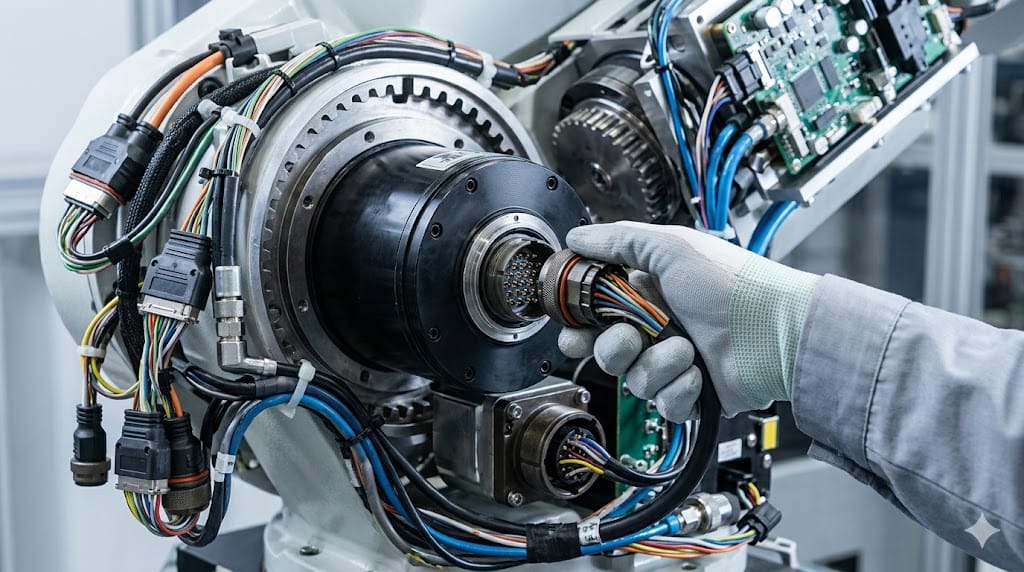
When a 6-axis robotic arm is moving at full speed, the internal control boards are subjected to a constant "micro-shaking" that can turn a standard B2B header into a pile of snapped pins. This is where the IRISO 10133B and the Hirose FX23 step in. Both are "floating" connectors, but they solve the vibration problem in distinct ways.
The IRISO 10133B is famous for its Z-Move™ technology. While many floating connectors only allow movement in the X and Y axes, the IRISO design allows the contacts to shift vertically (Z-axis) while maintaining a constant contact pressure. This is a game-changer for PLC designs where thermal expansion and vibration work together to "pump" the boards apart.
The Hirose FX23 takes a different route, focusing on High-Speed + Floating capabilities. It’s a hybrid powerhouse capable of 8+ Gbps while still offering a ±0.6 mm float. If your industrial application involves high-speed vision processing—where you need massive data throughput and vibration resistance—the FX23 is the superior choice. However, if your environment is purely about mechanical survival in a high-torque motor controller, the specialized Z-axis travel of the IRISO 10133B makes it nearly invincible.