Is the iPhone 17’s Liquid Glass UI the Peak of Mobile Design, or Is the Galaxy S26 About to Steal the Crown with Its Rumored 200MP Zoom?
Apple is betting big on visual elegance with the iPhone 17’s Liquid Glass UI, while Samsung is rumored to push hardware boundaries with a 200MP zoom camera on the Galaxy S26. Which approach truly defines the future of smartphones?
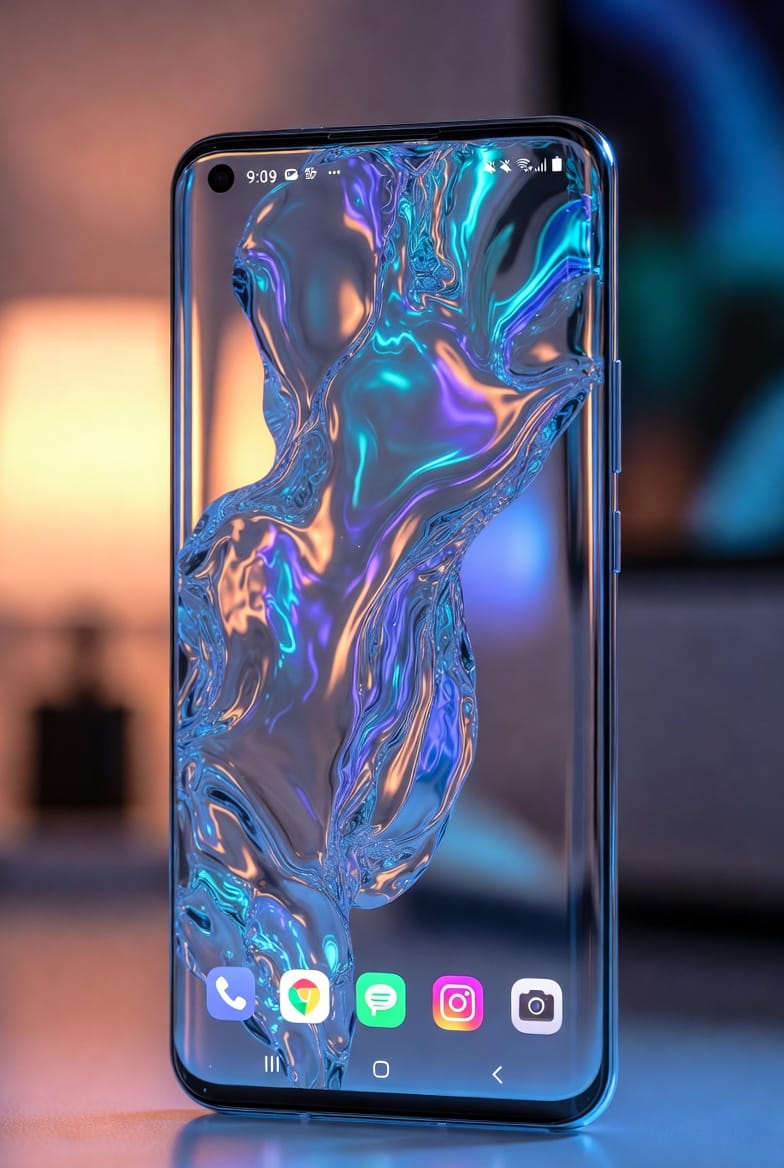
Smartphone innovation has reached an interesting crossroads. On one side, Apple is doubling down on design, fluidity, and experience with the iPhone 17’s rumored Liquid Glass interface. On the other, Samsung appears ready to flex its hardware muscle with the Galaxy S26, reportedly packing a 200-megapixel camera system designed to redefine mobile zoom.
This isn’t just another spec war — it’s a clash of philosophies.
Liquid Glass: Apple’s Obsession with Feel Over Flash
The rumored Liquid Glass UI isn’t about adding more buttons or cranking up customization. Instead, it focuses on depth, translucency, and motion, making the interface feel more organic and tactile. Animations are expected to feel smoother, elements appear layered like real glass, and interactions respond more naturally to touch.
Apple’s approach suggests something important:
The future of smartphones might not be about what they can do — but how they feel doing it.
For longtime iPhone users, this kind of refinement often matters more than raw specs. It’s about polish, consistency, and an experience that fades into the background while you use it.
Of course, critics argue this is evolution, not revolution. Liquid Glass may look beautiful, but it won’t dramatically change how you use your phone — and that’s exactly where Samsung sees an opening.
Galaxy S26: When Hardware Becomes the Headline
If rumors hold true, the Galaxy S26 could introduce a 200MP camera sensor, potentially paired with advanced telephoto capabilities. That kind of resolution isn’t just about megapixel bragging rights — it enables extreme cropping, improved zoom clarity, and more flexibility for computational photography.
Samsung’s philosophy has long been different from Apple’s:
- Push hardware limits
- Let users feel the upgrade immediately
- Turn specs into selling points
A camera like this could make the Galaxy S26 the go-to phone for travelers, creators, and anyone who wants DSLR-like versatility in their pocket.
But megapixels alone don’t guarantee better photos. Software processing, sensor size, and optics matter just as much — and Apple has historically excelled at extracting consistent results from smaller numbers on paper.
Design vs Power: Two Very Different Definitions of “Best”
This comparison highlights a bigger question facing the entire industry:
Is peak smartphone design about elegance or capability?
Apple’s Bet
- A phone that feels premium every second you use it
- Design and software working as one
- Subtle changes that improve daily interactions
Samsung’s Bet
- Specs you can measure, test, and show off
- Camera dominance as a primary differentiator
- Features that push boundaries, even if they’re complex
Neither approach is wrong — they simply appeal to different priorities.
So… Who Really Wins?
If you value refinement, simplicity, and seamless experience, the iPhone 17’s Liquid Glass UI might represent the peak of modern smartphone design.
If you want cutting-edge hardware and camera versatility, the Galaxy S26 could feel like the more exciting leap forward.
In reality, the “crown” doesn’t belong to one phone — it belongs to the user who knows what matters most to them.