Mezzanine Floating Connectors: Modular Stacking for Scalable Automation Brains
Robot AI and compute requirements evolve rapidly with new models. Floating mezzanine board-to-board solutions from Molex Float Stack and JAE AX series provide 0.5 mm float tolerance plus support for high-speed protocols, allowing truly modular “brain” upgrades without extensive rewiring.
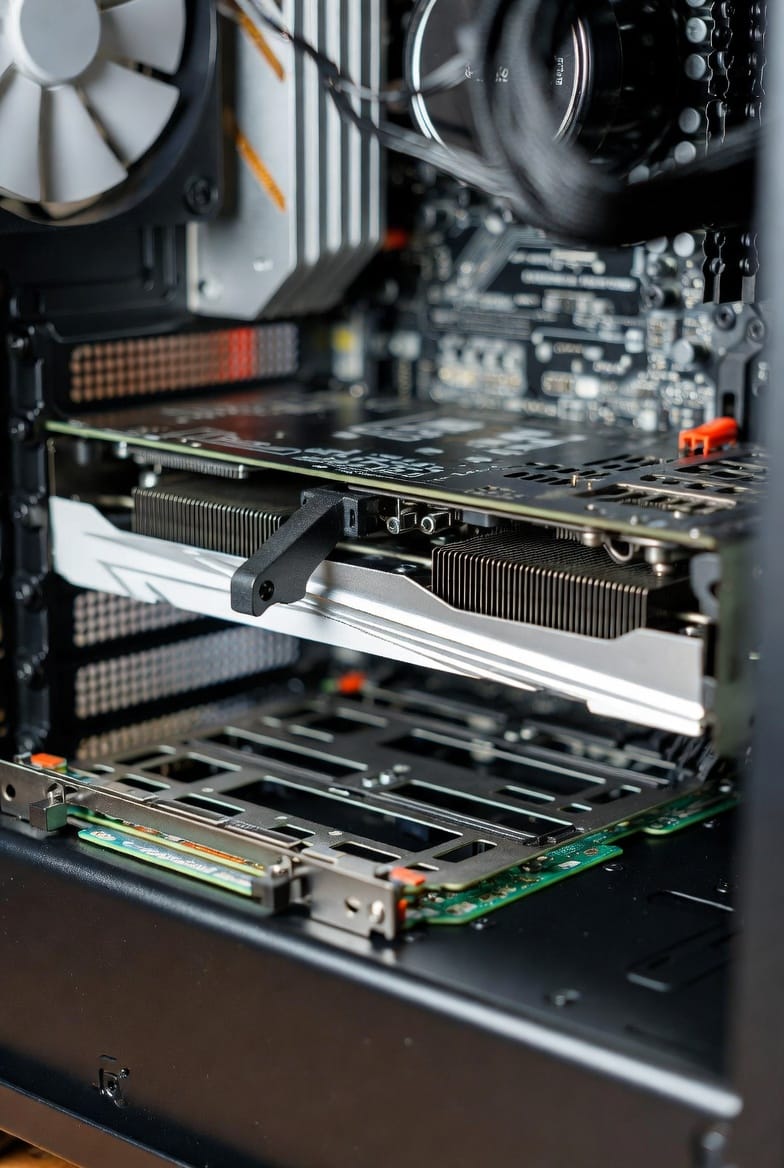
As robotics intelligence moves onboard, compute modules need frequent upgrades for better AI, vision processing, or edge inference. Rigid mezzanine connectors struggle with misalignment during assembly or vibration during operation, leading to failures.
Floating mezzanine connectors solve this with compliant mechanisms offering ±0.5 mm (or more) float in X/Y axes and stack heights from 8 mm to 30 mm. Molex Float Stack series, designed for automotive-grade reliability (USCAR/LV214 compliant), supports signal currents up to 1A and power up to 5A per pin with excellent anti-vibration performance.
JAE’s AX01/AX03 floating families add high-speed capability (8+ Gb/s, compatible with PCIe Gen3/10GBASE-KR) and keying/mating guides optimized for automated robotic assembly. Two-point roll-surface contacts resist foreign objects and reduce insertion force.
Applications by robot category:
- Industrial Automation & Warehouse Robots: Scalable fleets can hot-swap upgraded AI boards in minutes, cutting deployment costs and enabling rapid response to new tasks like multi-robot coordination.
- Household Humanoids: Modular compute stacks allow future-proofing—owners or service techs upgrade vision or language models without disassembling the entire robot, keeping costs low for mass-market adoption.
- Medical Robots: Precision systems benefit from stackable modules that maintain signal integrity for real-time processing while absorbing minor misalignments in compact arms.
Technical strengths include wide mating height ranges, hybrid power+signal options in some variants, and robust housings for vibration-heavy environments. By 2030, these connectors will accelerate robot scalability, reducing custom harnesses and enabling “plug-and-play” brain architectures.
Designers should select stack heights based on thermal and routing needs, and combine with weld tabs or guide posts for added mechanical strength. Floating mezzanine technology turns rigid limitations into flexible advantages, powering the next generation of adaptable, cost-effective robots.