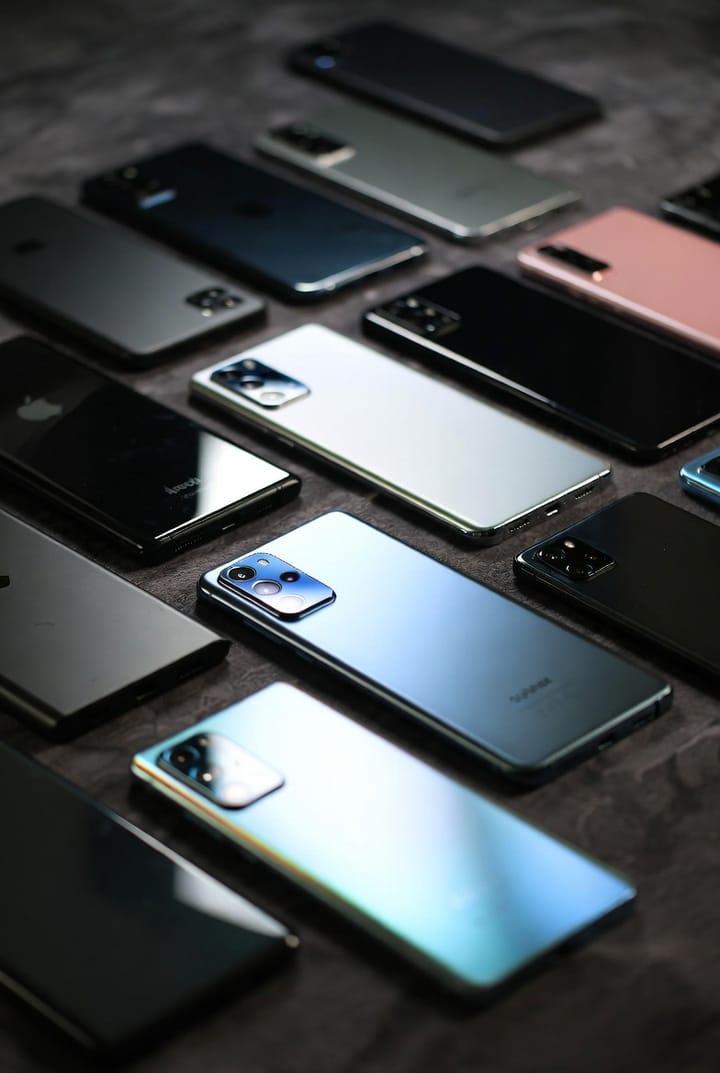
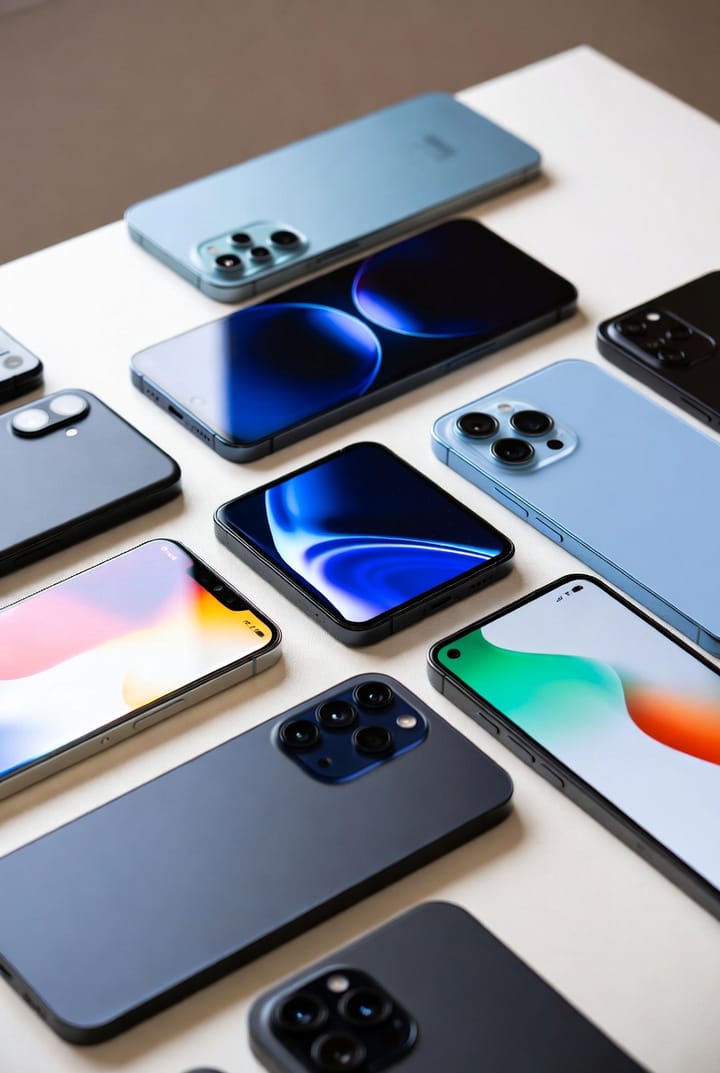
Pixel UI vs Samsung One UI 2026: Which Android Experience Fits You Best?
In 2026, Pixel UI offers pure, uncluttered Android while One UI 8.5 delivers endless features and tweaks. Discover why users love (or leave) each in this honest breakdown of the two leading Android experiences.
In the ever-evolving world of Android smartphones, two software experiences stand out as the most talked-about choices in 2026: Google's Pixel UI (the clean, stock version of Android 16 running on Pixel 10 series devices) and Samsung's One UI (now at version 8.5 on the latest Galaxy S26 lineup and rolling out broadly).
As Android 16 brings refined AI tools, smoother performance, and deeper Material You integration, and One UI 8.5 adds polished tweaks like smarter lock screen options, enhanced customization, and upcoming Bixby upgrades, users continue to weigh these two philosophies. The debate boils down to a fundamental clash: simplicity versus depth.
The Appeal of Pixel UI: Clean, Fast, and Uncluttered
Pixel UI embodies Google's vision of Android at its purest. It's minimalist by design—free of preinstalled extras, duplicate apps, or heavy theming layers. Animations feel fluid and responsive, with thoughtful touches like native AI features (Call Screen for spam filtering, Magic Editor for effortless photo tweaks) that integrate seamlessly without overwhelming the interface.
For many, this approach delivers a "peaceful" daily experience. Updates arrive fastest—often months ahead of others—and promise seven years of support. The software feels optimized for reliability, with no bloat to slow things down over time. It's ideal for those who prioritize a straightforward, efficient phone that gets out of the way and lets you focus on what matters.
Critics sometimes call it "basic" or lacking in personalization depth, but loyal users argue that's exactly the point: elegance through restraint.
The Strength of One UI: Feature-Rich and Highly Customizable
Samsung's One UI takes the opposite tack, building a powerhouse layer atop Android 16. Version 8.5 refines an already mature system with ergonomic layouts for large screens, one-handed usability, and a vast array of built-in tools—from advanced multitasking and DeX desktop mode to Routines for automation, Good Lock modules for extreme theming, and enhanced video/audio recording options.
Power users rave about the control it offers: thousands of customization possibilities, deeper system integrations, and features that feel genuinely useful in real life. The interface has matured into something sleek and premium, with beautiful blur effects, vibrant colors, and a sense of maturity that many find more "professional" than stock Android.
The trade-off? It can feel busier or more complex at first, with occasional complaints about minor inconsistencies or a steeper learning curve. Yet for those who enjoy tweaking and maximizing their device, One UI often becomes indispensable—once you dive in, going back to simpler skins feels limiting.
No Clear Winner—Just the Right Fit for You
In 2026, the conversation isn't about declaring one superior overall. It's deeply personal. If you crave a clean, reliable, AI-focused experience with lightning-fast updates and zero distractions, Pixel UI delivers that refined simplicity better than ever.
If you want maximum flexibility, power-user features, and endless ways to make your phone truly yours, One UI 8.5 edges ahead with its depth and polish.
Both excel in their lanes: Pixel for effortless everyday use, Samsung for those who treat their phone like a customizable tool. Hardware plays a role too—Pixels often shine in photography and natural processing, while Galaxy devices frequently lead in battery endurance, display quality, and raw performance—but the software choice ultimately shapes how the phone feels in your hand day after day.
As the Galaxy S26 series launches with One UI 8.5 and Pixel 10 devices run polished Android 16, the decision remains subjective. What matters most to you: minimalism or mastery? The answer will point you to the perfect Android experience.