Silent but Deadly Accurate: Why TMC2209 and TMC5160 Drivers Rule the Workshop
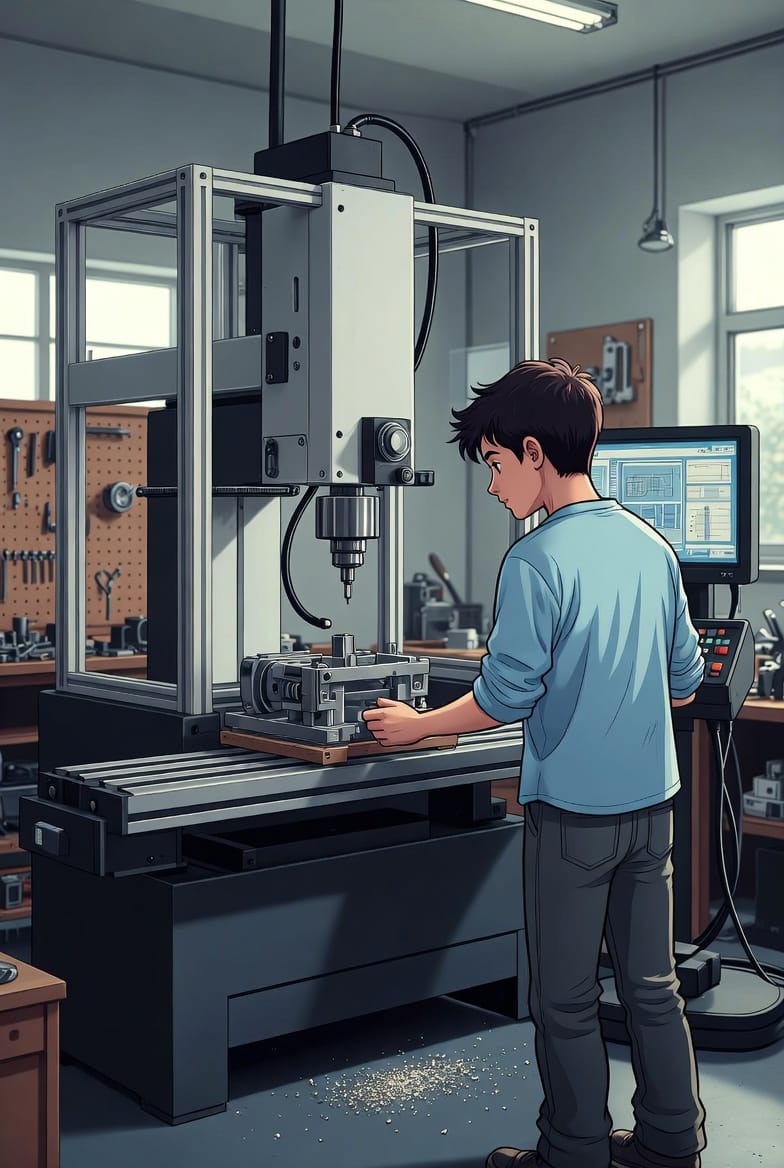
If you have been in the desktop manufacturing space for more than a few years, you vividly remember what old-school 3D printers and DIY CNC machines sounded like. They screeched, whined, and groaned through every diagonal move, sounding more like a dial-up modem than a manufacturing tool. That annoying acoustic background noise was driven by basic stepper drivers like the ubiquitous A4988, which chopped current into motor coils with zero elegance. Enter the Trinamic TMC series, specifically the legendary TMC2209 and its heavy-duty sibling, the TMC5160. These tiny chips have completely rewritten the rules for desktop motion control.
The most immediate change you notice when dropping a TMC2209 into a control board is the absolute silence. Thanks to a technology Trinamic calls StealthChop, the driver uses advanced voltage-modulated chopper control to ensure smooth current waveforms. This eliminates the high-frequency vibrations that cause stepper motors to sing, rendering the physical movement of the machine virtually silent. For home workshops and office environments, this single upgrade transformed 3D printing from a noisy basement garage chore into a quiet, desktop-friendly activity.
But these drivers are not just a treat for your ears; they are packed with incredible telemetry features that make machines significantly smarter. Take StallGuard, for example. This feature measures the back-electromotive force of the motor to detect when the toolhead or gantry hits a physical obstacle. In the world of 3D printing, this enables sensorless homing. You can completely eliminate the finicky mechanical limit switches and messy wiring on your X and Y axes because the driver itself knows exactly when the carriage has reached the end of its travel.
When you scale up to heavier desktop CNC routers or plasma cutters, the TMC5160 steps into the spotlight. It brings all the intelligence of the Trinamic ecosystem but pairs it with external MOSFETs to handle much higher voltages and currents. This means you can drive beefier NEMA 23 or NEMA 34 motors without overheating your control board.
Furthermore, because these drivers communicate directly with your printer's mainboard via a UART or SPI serial bus, you no longer have to manually twist a microscopic potentiometer with a screwdriver to adjust your motor current. You simply type the exact milliamps you want right into your firmware configuration file, save it, and move on with your build.