The 4GB Android Panic: How the 2026 DRAM Crisis is Crippling Budget Phones
The global DRAM supply chain is fracturing, and budget smartphones are taking the hit. With manufacturers eyeing a return to 4GB of RAM, your multitasking and on-device AI future are in serious jeopardy.
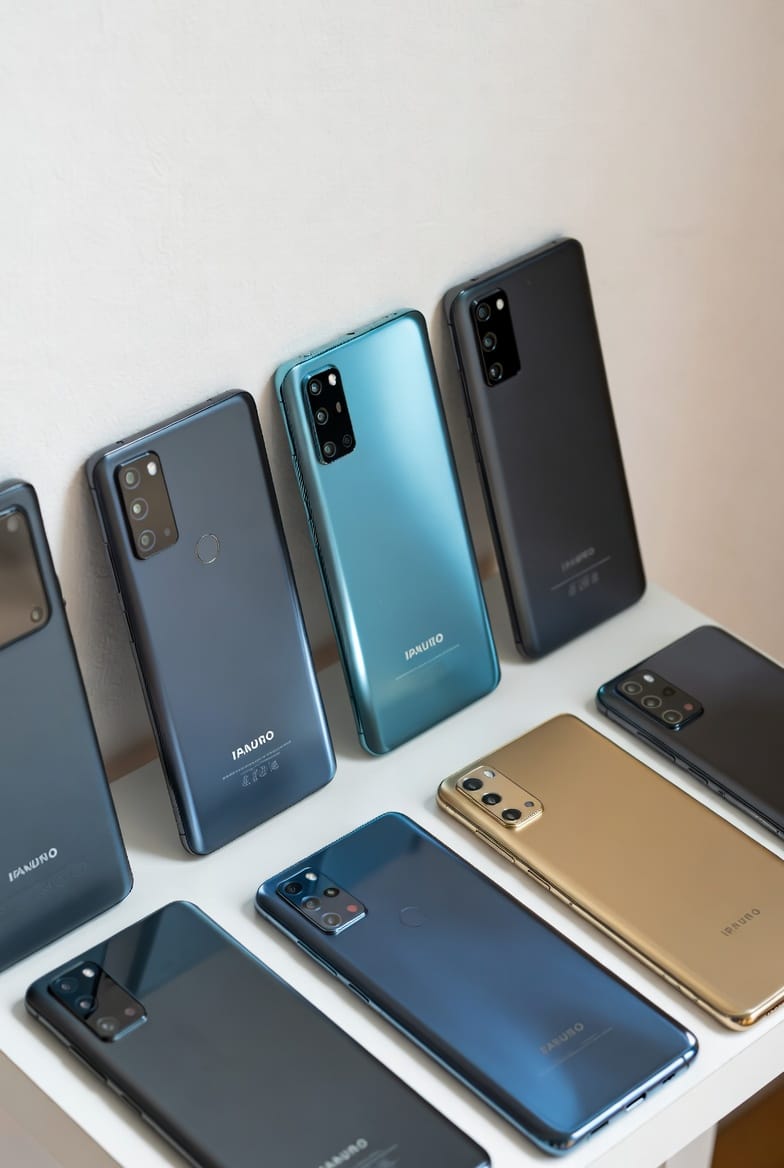
The modern smartphone budget tier was finally getting good. For a minute there, spending $200–$300 got you a highly competent device capable of holding apps in memory, handling light gaming, and smoothing out system animations.
Then 2026 hit.
A massive bottleneck in global DRAM manufacturing has sent silicon prices skyrocketing. To protect profit margins, smartphone OEMs are quietly planning a regression we thought we left behind: pushing entry-level and mid-range Android devices back down to a suffocating 4GB of RAM. At the exact moment operating systems require more memory than ever, the budget market is about to hit a performance wall.
Why 4GB of RAM is a Modern Android Death Sentence
To understand why this is a disaster, you have to look at how Android handles memory allocation. Unlike iOS, which relies on strict background app suspension, Android uses a more desktop-like approach to multitasking. It depends on a robust memory cushion to keep system processes, launcher environments, and your active apps running concurrently.
When you drop a modern Android 15 or 16 device down to 4GB of hardware RAM, the math stops working:
- The System Tax: The core Android OS and carrier skin (like Samsung's One UI or Xiaomi's HyperOS) consume roughly 2.2GB to 2.5GB of RAM just to stay booted.
- The AI Bottleneck: On-device Large Language Models (LLMs) and computational photography pipelines require dedicated, un-swappable chunks of memory. A basic local AI model needs a minimum of 1GB to 1.5GB of RAM permanently resident in memory to function instantly.
- The Scraps: That leaves less than 500MB of free space for your web browser tabs, navigation apps, and social feeds.
The Aggressive LMK (Low Memory Killer) Nightmare
When RAM fills up, Android doesn't just stop; it invokes its kernel-level Low Memory Killer (LMK). On a 4GB device, the LMK becomes highly aggressive.
You’ll experience constant app redraws. If you switch from Google Maps to Spotify to change a playlist, Maps will get purged from the memory. When you switch back, the app has to cold-boot from scratch, losing your navigation progress and stalling your device.
Virtual RAM (Swap) Won't Save You
Manufacturers will try to paper over this hardware deficit by marketing features like "Virtual RAM" or "RAM Plus" (allocating a portion of your UFS storage as virtual memory). Don't fall for it.
Even the fastest UFS 3.1 storage reads and writes at a fraction of the speed of dedicated LPDDR5X RAM. Relying on flash storage for memory swapping introduces massive micro-stuttering, degrades the physical lifespan of your phone’s internal storage chips through excessive write cycles, and tanks battery life.
If you are shopping for a budget device this year, look closely at the spec sheet. If it says 4GB, walk away. 6GB is the absolute bare minimum for survival, and 8GB is the new baseline for a phone that will actually last two years.