The Balancing Act: Optimal Stacking Height and Floating Range
Stacking PCBs? Don't let rigid headers snap your solder joints. Explore how to balance stacking height (4mm–30mm) with the X/Y/Z floating range.
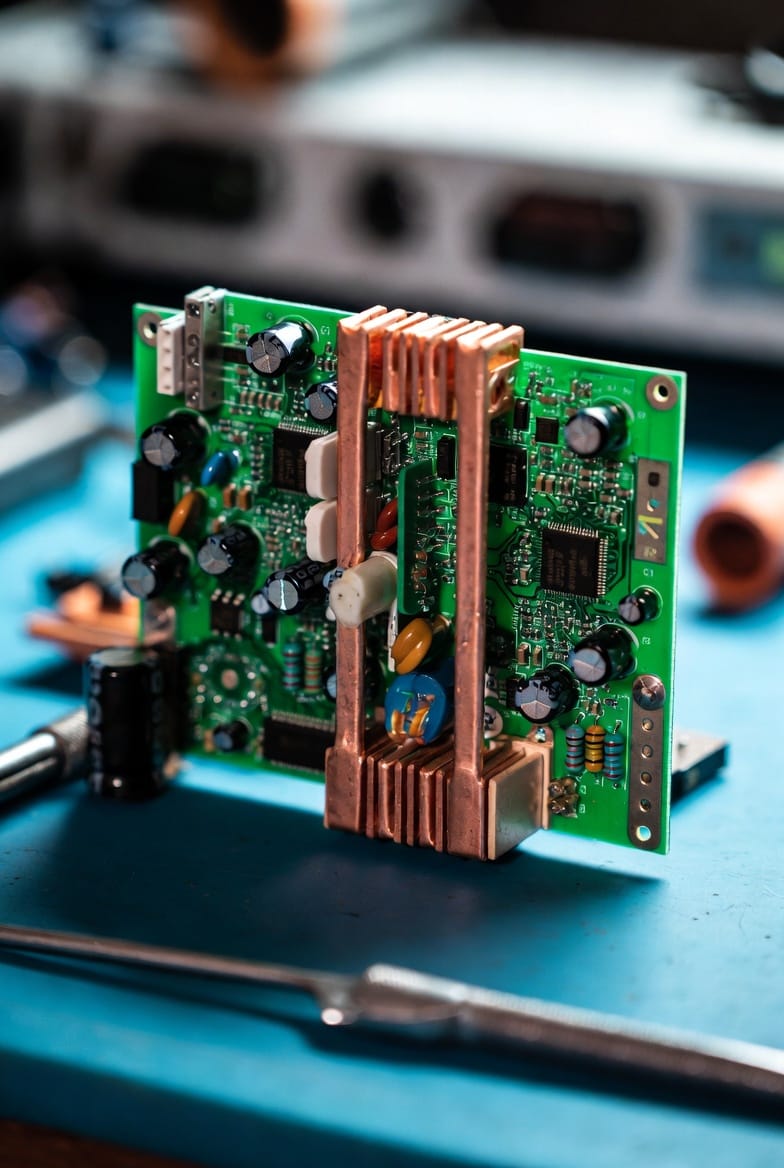
Modern hardware is rarely a single flat board. From EV inverters to high-end cameras, we are stacking "sandwiches" of PCBs to maximize every cubic millimeter. The challenge is that as you increase the stacking height, you increase the leverage of mechanical stress. If your top board expands slightly due to heat while the bottom board stays cool, a rigid header will act like a crowbar on your solder pads.
This is where the relationship between Stacking Height and Floating Range becomes the cornerstone of your mechanical design. Typically, stack heights range from a tiny 4mm up to a robust 30mm. As the distance between boards grows, so does the potential for cumulative misalignment. If your pick-and-place robot has a ±0.1mm tolerance, but you have three boards stacked together, that error can compound.
A floating connector with a ±0.5mm to ±1.0mm range provides the "breathing room" your assembly needs. It allows the boards to self-align during mating without putting lateral pressure on the pins. For 2026 EV designs, where thermal cycles are extreme, matching your stacking height with a generous Z-axis float isn't just good practice—it’s a requirement to ensure the device doesn't literally pull itself apart over thousands of miles of road vibration.