The Butterfly Effect: Why One Connector Matters
In a world of massive computing clusters, a single loose pin can take down an entire rack. Here is why the "physical layer" is the backbone of uptime.
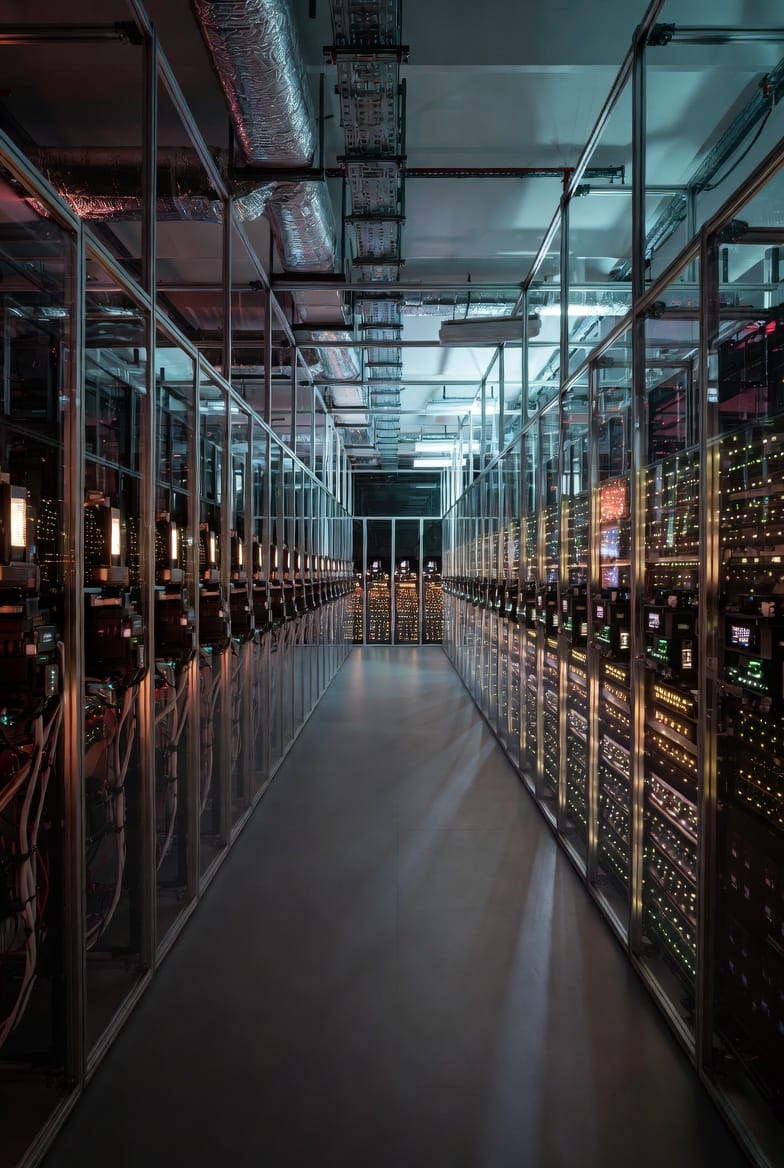
In the world of hyperscale data centers, we often talk about high-level software resilience, load balancing, and "self-healing" networks. But all that sophisticated code eventually hits a physical wall: the interconnect.
Data centers are no longer just collections of independent servers; they are massive, tightly coupled computing clusters. When a single high-speed connector fails—whether it’s a power whip or a 400G QSFP-DD transceiver—the impact isn't local. It can disrupt workloads across hundreds of virtual machines, leading to latency spikes or, worse, "flapping" routes that confuse the entire fabric.
The Anatomy of a High-Reliability Interconnect
Reliability in a 24/7 server environment isn't about fancy features; it’s about material science and mechanical precision.
- Signal Integrity (SI): As we push toward 800G and 1.6T speeds, the copper traces and pins must be perfect. Any microscopic oxidation or misalignment creates "noise," leading to Bit Error Rates (BER) that force the system to retry transmissions, killing your throughput.
- Thermal Endurance: Servers are hot. Connectors must withstand constant thermal cycling without the plastics becoming brittle or the metal contacts expanding and losing "wipe" pressure.
- Vibration Resistance: It sounds minor, but thousands of cooling fans spinning at high RPMs create a constant harmonic hum. A connector without a robust locking mechanism can literally vibrate itself into a "micro-disconnect" state.
From Top-of-Rack to the Core
Modern architectures like Leaf-Spine mean that every component is a critical path. If a "Leaf" switch connector fails, an entire rack of NVMe storage might become invisible to the "Spine."
To mitigate this, engineers are focusing on:
- Redundant Paths: Using Twinax cables with dual-port configurations.
- Blind-Mating: Designing connectors that align themselves perfectly when a blade is slid into a chassis, reducing human error during hot-swaps.
- Active Electrical Cables (AEC): Incorporating retimer chips directly into the cable assembly to "clean up" signals before they even reach the port.
The Cost of "Good Enough"
In a enterprise environment, a "cheap" cable might save $20 upfront, but the TCO (Total Cost of Ownership) of a single hour of downtime can reach six or seven figures. Reliability isn't a luxury; it's the foundation of the cloud.
When we build for the future of AI and LLMs, where GPUs are interconnected via ultra-low-latency fabrics like InfiniBand, the connector is no longer just a plug—it’s a high-performance component that determines the stability of the entire cluster.