The Magnet Mystery: Why the Galaxy S26 Ultra Might Still Require a Case for "Snap" Features
The latest rumors for the Galaxy S26 Ultra suggest that the long-awaited arrival of built-in "MagSafe-style" magnets may be delayed yet again. Here’s a look at the technical hurdles Samsung might be facing, how it stacks up against the Pixel 10 and iPhone 17.
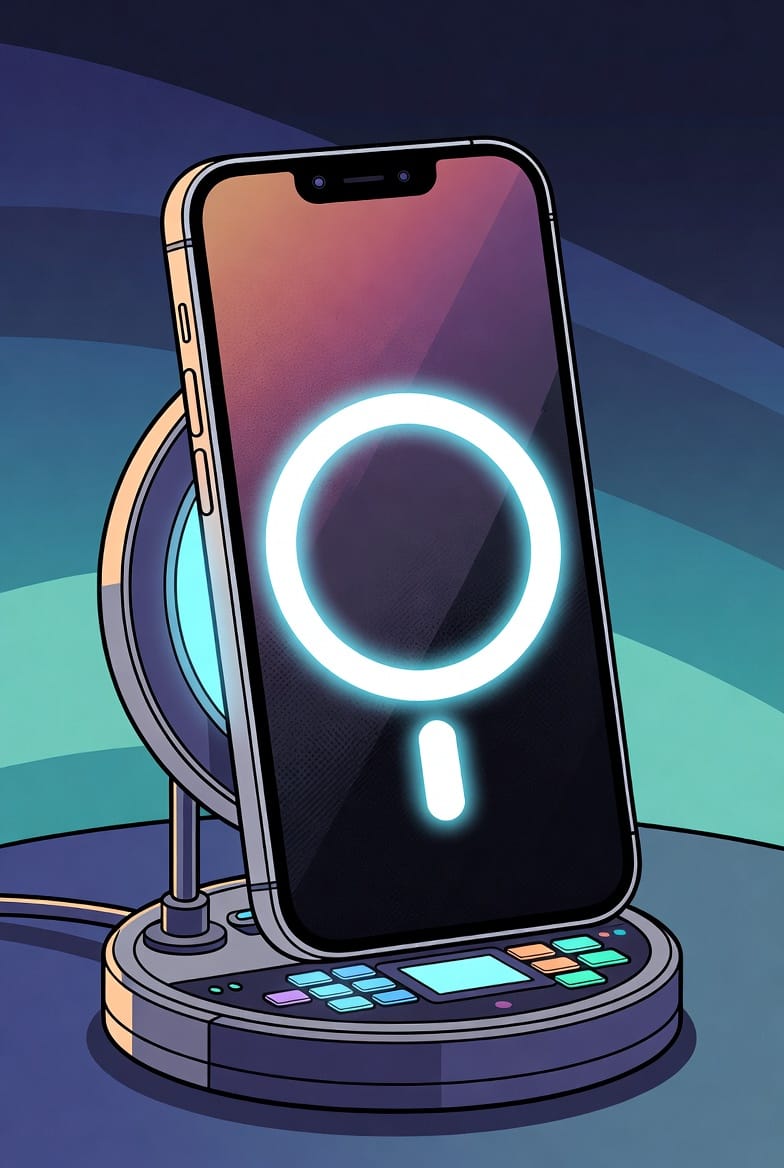
For months, the tech world has been leaning into the idea that 2026 would be the year Samsung finally brought native magnetic alignment to its flagship line. However, new reports from reliable industry insiders suggest we should temper our expectations. The Galaxy S26 Ultra may launch without integrated magnets, potentially requiring users to stick with magnetic cases to enjoy the Qi2 ecosystem.
While nothing is official until the rumored February 25, 2026 Unpacked event, the shift in the rumor mill points to a calculated decision by Samsung to prioritize existing core features over the new magnetic standard.
The Evidence: Cases Tell the Story
The strongest signal that magnets might be missing comes from leaked official accessory listings. Renders of first-party Samsung cases for the S26 series show two distinct versions: one with a visible magnetic ring and one without.
In the world of hardware engineering, if a phone has strong internal magnets, a non-magnetic case often acts as a barrier that weakens the "snap" for accessories like heavy car mounts or wallets. By offering a specific "magnetic version" of their cases, Samsung is likely signaling that the phone itself isn't doing the heavy lifting.
Why the Hesitation? The Technical Hurdles
Samsung isn't just being stubborn; the Ultra is a complex piece of machinery with two specific features that don't always play nice with magnets:
- S-Pen Digitizer Interference: The S-Pen relies on an electromagnetic resonance (EMR) layer. Strong permanent magnets in the phone’s chassis—or attached accessories—can cause "dead zones" where the pen skips or becomes inaccurate. While rumors suggested a new "magnet-proof" digitizer was in the works, Samsung may have decided it wasn't quite ready for primetime.
- The PowerShare Trade-off: We’ve seen other manufacturers, like Google with the Pixel 10, reportedly sacrifice reverse wireless charging to make room for magnetic arrays. Samsung’s Wireless PowerShare is a fan-favorite feature for topping up Galaxy Buds, and the company may not be willing to cut it.
2026 Flagship Face-Off: The Magnetic Landscape
If these rumors hold true, the S26 Ultra will find itself in a unique position compared to its biggest rivals.
| Feature | Samsung Galaxy S26 Ultra (Rumored) | Google Pixel 10 Pro | iPhone 17 Pro Max |
| Built-in Magnets | Unlikely (Requires Case) | Yes (PixelSnap) | Yes (MagSafe) |
| Qi2 Support | Yes (Charging only) | Yes (Full MPP) | Yes (Full MPP) |
| S-Pen / Stylus | Yes (Internal) | No | No |
| Reverse Wireless | Yes (PowerShare) | No | No |
| Max Wired Speed | 60W | 30W | 40W |
The Pixel Perspective:
Google took a bold leap with the Pixel 10 series by introducing "PixelSnap." It’s fully compatible with the MagSafe ecosystem, but it came at the cost of internal space and certain coil efficiencies. Google is betting that the convenience of magnets outweighs the loss of reverse charging.
The iPhone Standard:
Apple’s MagSafe remains the gold standard for accessory ecosystems. With the iPhone 17, Apple has further refined the thermal management of the magnetic ring, allowing for faster 25W wireless charging that stays cooler for longer.
Is This a Dealbreaker?
For most users, the answer is likely "no." The Galaxy S26 Ultra is still expected to be a powerhouse, with rumors pointing to a massive leap in wired charging (60W) and the first 3nm Tensor-rivaling Snapdragon chips.
If you already use a case, you simply choose the "Magnetic" version and get the same functionality. However, for those who prefer their phones "naked," the lack of an internal magnet ring means missing out on the most convenient accessory trend of the decade.