Vivo X300: A Game-Changer for Dual-Phone Enthusiasts in 2025
The Vivo X300 wows with a 200MP Zeiss camera, eye-friendly display, and seamless Apple ecosystem integration, making it a top pick for dual-phone users in 2025, while iPhone remains a reliable backup.
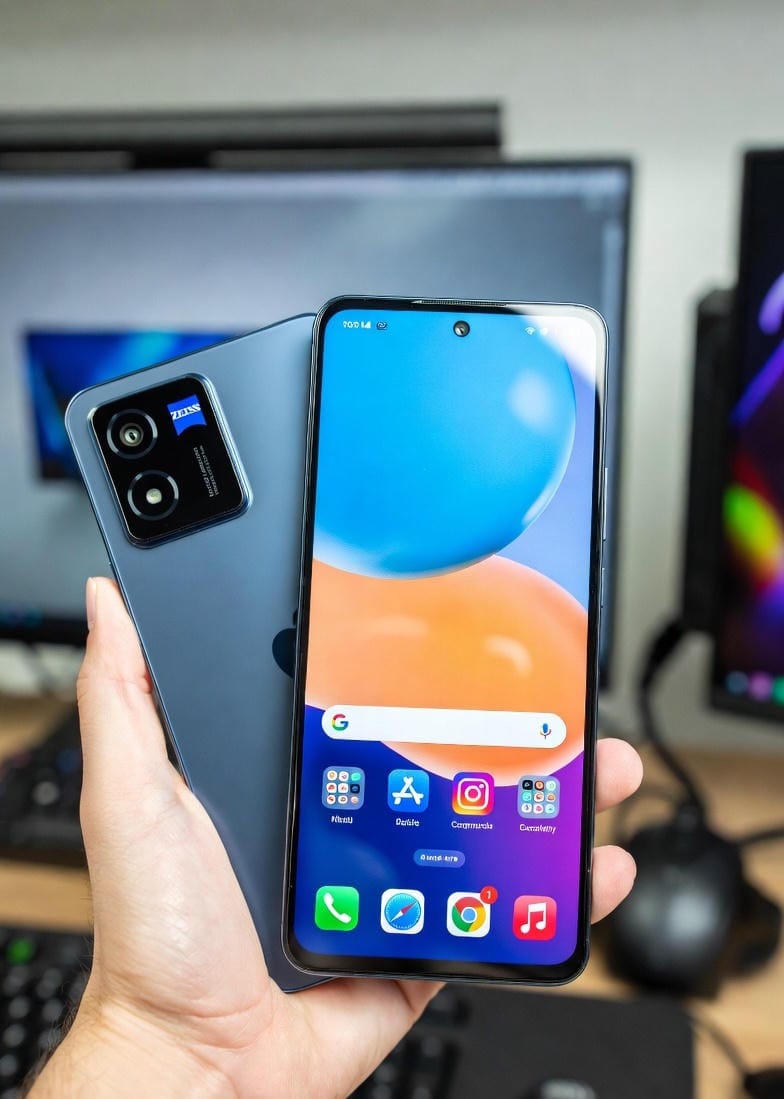
In the fast-paced world of smartphones, the Vivo X300 has emerged as a standout in 2025, capturing the attention of tech enthusiasts, especially those who juggle multiple devices. For dual-phone users who straddle Android and Apple ecosystems, the X300 presents a compelling case as a primary device. While the iPhone continues to excel with its polished ecosystem, the Vivo X300 brings bold innovation to the table. This article explores the X300’s key strengths in camera, display, and ecosystem integration, while giving a respectful nod to the iPhone’s enduring appeal.
A Camera That Redefines Photography
The Vivo X300’s camera system is nothing short of spectacular, led by a custom 200MP HPB main sensor enhanced with Zeiss T* coating across all focal lengths. This setup delivers exceptional clarity, with users reporting the ability to zoom 10x and still capture fine details, like leaf textures in landscapes. A 50MP APO super telephoto lens, typically found in premium models, adds versatility with macro capabilities. Night photography shines, too, with 30-second long exposures enabling vibrant starry sky shots.
By comparison, the iPhone (e.g., iPhone 16 Pro) boasts a 48MP main sensor and excels in computational photography, delivering consistent, vibrant images with minimal effort. While the iPhone’s telephoto is reliable, it doesn’t match the X300’s 200MP resolution or long-exposure capabilities. Both phones cater to photography enthusiasts, but the Vivo X300’s raw power gives it an edge for those seeking professional-grade results.
A Display Built for Comfort and Clarity
The Vivo X300’s 6.31-inch flat screen is a triumph of design, featuring ultra-narrow equal bezels and a slim 7.95mm body. With a peak brightness of 4500 nits, the display remains crystal-clear even under direct sunlight. What truly sets it apart is its eye-protection features: 2160Hz full-brightness high-frequency PWM dimming, full-brightness DC dimming, and a pioneering hardware-level 1-nit brightness—the first on Android. These reduce eye strain, making it ideal for long screen sessions.
The iPhone’s Super Retina XDR display is equally impressive, offering crisp visuals and True Tone for adaptive color accuracy. However, its PWM frequency (around 240Hz) may cause discomfort for flicker-sensitive users. Both screens are top-tier, but the Vivo X300’s focus on eye health gives it a slight advantage for heavy users.
Ecosystem Integration: Bridging Android and Apple
One of the Vivo X300’s most exciting features is its seamless integration with Apple’s ecosystem. Upgraded cross-device file transfer with Mac rivals the ease of AirDrop, a major win for Apple users exploring Android. This addresses a common pain point for dual-phone users who rely on both platforms. Add in ultrasonic fingerprint scanning, Hi-Fi audio, and high-speed ports, and the Vivo X300 delivers a premium experience.
The iPhone remains the gold standard for ecosystem cohesion, with effortless syncing across iCloud, Mac, and other Apple devices. Its file-sharing system is unmatched within its ecosystem. However, the Vivo X300’s ability to bridge Android and Apple makes it a versatile choice for those who want flexibility across platforms.
The Vivo X300 is a bold leap forward for Android, blending a stellar camera, eye-friendly display, and thoughtful ecosystem integration. It’s a dream device for dual-phone users and Apple fans curious about Android. The iPhone remains a powerhouse with its refined ecosystem and dependable performance, but the Vivo X300’s innovation makes it a standout primary phone in 2025. For those eyeing a new device, the Vivo X300 is a must-consider.