0.3mm Pitch Ultra-Fine FPC Connectors for Next-Gen Wearables and Foldable Devices
Foldables are back, and they’re thirsting for 0.3mm pitch. Here’s how to spec connectors that survive the unique stresses of flexible electronics and tight wearables.
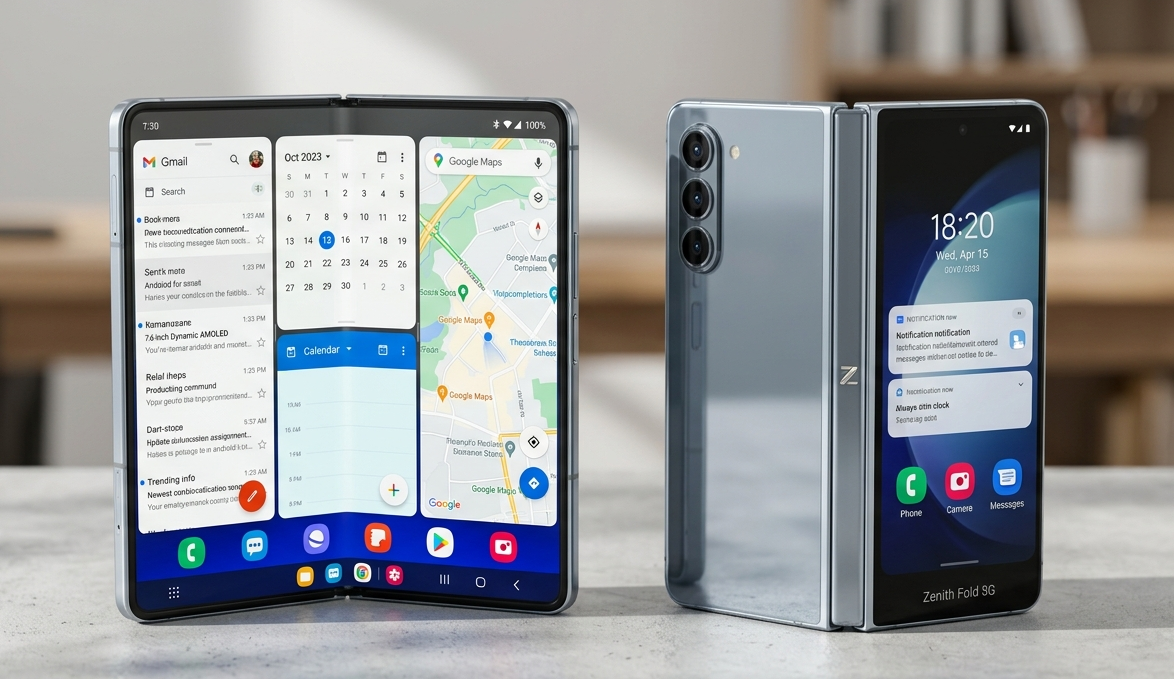
In the 2026 mobile market, 0.5mm is the "new bulky." For foldable smartphones, smart rings, and AR glasses, the 0.3mm pitch ultra-fine FPC connector is the only way to fit the necessary I/O into the available space. But 0.3mm isn't just a size reduction—it's a physics challenge. At this scale, the plastic walls between pins are only 0.1mm thick, and the tolerance for error is practically zero.
The Foldable Hinge Problem
In a foldable phone, the FPC cable is constantly being tugged, twisted, and bent as the user opens and closes the device.
- The "Unzipping" Risk: When a cable is under tension, it tends to pull out of one side of the connector first (unzipping). In a 0.3mm pitch connector, this motion can actually bend the tiny metal terminals, causing a permanent short-circuit.
- The Backlock Fix: For foldables, you should never use a Front Flip lock. You must use a Rotary Backlock. By placing the hinge at the rear, the connector "traps" the cable. Any pull on the FPC cable actually forces the backlock tighter into its seat, providing the mechanical security needed for a 200,000-fold lifecycle.
Dealing with "Pin-to-Pin" Shorts
At 0.3mm pitch, the air gap between terminals is minuscule. This makes the connector highly susceptible to Ionic Migration—where moisture and voltage cause tiny metal "dendrites" to grow between the pins, leading to a short.
- The 2026 Pro-Tip: Spec connectors with "High-Barrier" LCP housings. These housings feature molded "ribs" between the contacts that increase the "creepage distance" (the path length along the surface of the plastic). This prevents shorts even in high-humidity wearable environments like a smart ring worn during a workout.
Power vs. Pitch
A 0.3mm pin can only handle about 0.2A to 0.3A. If you’re driving a high-performance CPU or a large haptic driver, a single pin will act like a fuse and blow. You must "gang" your pins—routing power across 4 or 5 pins in parallel. This requires careful PCB routing to ensure the current is distributed evenly. If one pin in the group has a slightly higher contact resistance, it will take less current, forcing the others to take more, which can lead to a thermal runaway event. Always use wide copper pours on your FPC to feed these ganged pins to ensure thermal stability.