FFC and FPC Connector Handling: Preventing Ribbon Failure
FFC and FPC connectors are the thin, fragile lifelines of modern electronics. We detail the "ZIF" vs. "LIF" insertion techniques and the common handling mistakes that lead to cracked traces and short circuits.
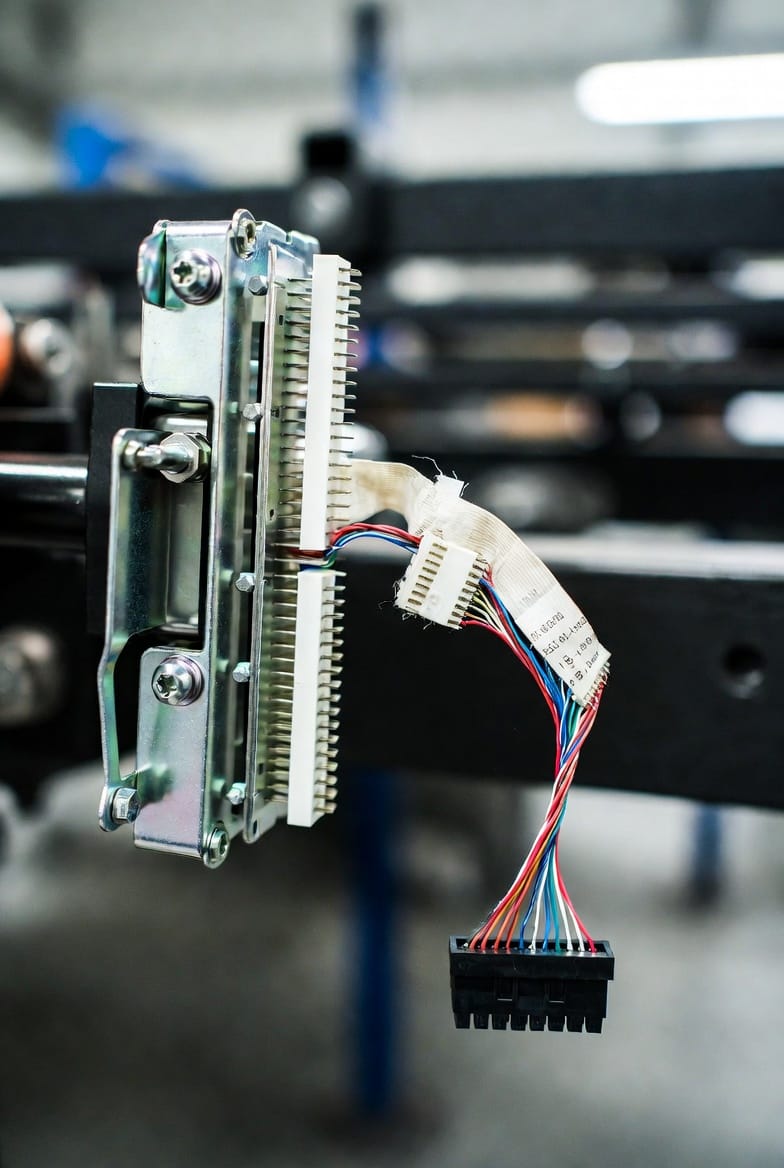
Navigating the Fragility of FFC/FPC Interconnects
Flat Flexible Cables (FFC) and Flexible Printed Circuits (FPC) have enabled the miniaturization of smartphones, laptops, and wearables. However, they are among the most delicate components an engineer will handle. Unlike robust wire-to-board connectors, a single mistep during insertion can permanently ruin the cable or the PCB-mounted socket.
1. ZIF vs. LIF Mechanisms
- Zero Insertion Force (ZIF): These connectors feature a locking actuator (a flip-cover or slider). When open, the cable slides in with no resistance. Closing the actuator applies the necessary contact pressure. Key Rule: Never force a cable into a closed ZIF connector; you will scrape the thin gold plating off the FFC.
- Low Insertion Force (LIF): These use friction alone. They are cheaper but have a limited number of mating cycles (often as few as 10-20). They are best suited for permanent assemblies that will never be opened.
2. Handling and Alignment
The conductors on an FFC are often just 0.3mm wide. If the cable is inserted at even a slight angle, the pins in the connector can bridge two conductors, causing a short circuit.
- Visual Inspection: Most FFC cables have a "stiffener" on the back. Ensure the cable is fully seated by checking that the stiffener edge is parallel to the connector body before locking the actuator.
- Bend Radius: Never fold an FFC sharply. A "crease" in the cable will fracture the copper traces. Always follow the manufacturer's minimum bend radius, usually 3-5 times the cable thickness.