Impedance Matching in Coaxial and Concentric Connectors
In RF engineering, a connector is more than just a plug—it’s a transmission line. This guide explains how to manage VSWR and impedance to ensure your coaxial connections don't become the primary source of signal reflection.
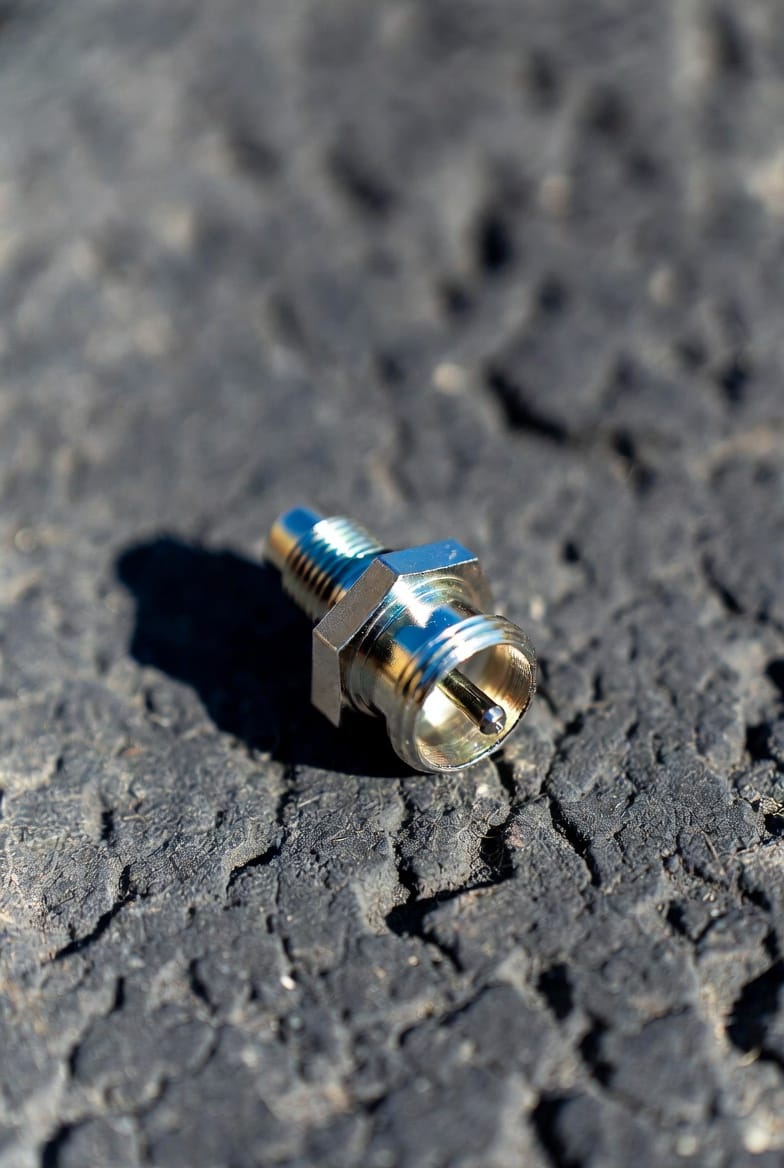
The RF Interface: Mastering Coaxial Interconnects
At low frequencies, a connector is just a path for current. At high frequencies (RF), a connector becomes a complex component where physical dimensions dictate electrical performance. Coaxial and concentric connectors must maintain the "characteristic impedance" of the cable they are attached to. If there is a mismatch, the signal bounces back toward the source, causing "Voltage Standing Wave Ratio" (VSWR) issues and power loss.
1. Understanding 50-Ohm vs. 75-Ohm
The most common mistake in coaxial systems is mixing 50-ohm and 75-ohm components.
- 50-Ohm (SMA, BNC, N-Type): Optimized for power handling and low loss in two-way radio, Wi-Fi, and lab equipment.
- 75-Ohm (F-Type, BNC): Optimized for low signal attenuation over long distances, making it the standard for video and cable television.
- Warning: Physically forcing a 50-ohm BNC onto a 75-ohm BNC can permanently damage the center pin of the female socket due to differing pin diameters.
2. Termination Best Practices
For a coaxial connector to perform correctly, the shield must have 360-degree contact with the connector body. Any "pigtail" connection where the shield is twisted into a wire creates a massive inductive spike that ruins signal integrity at gigahertz frequencies. Using professional crimp or "clamp" style connectors designed specifically for the cable’s RG-number is the only way to ensure a low-loss transition.