Stiffener Selection in FPC Design: FR4, Polyimide, and Stainless Steel
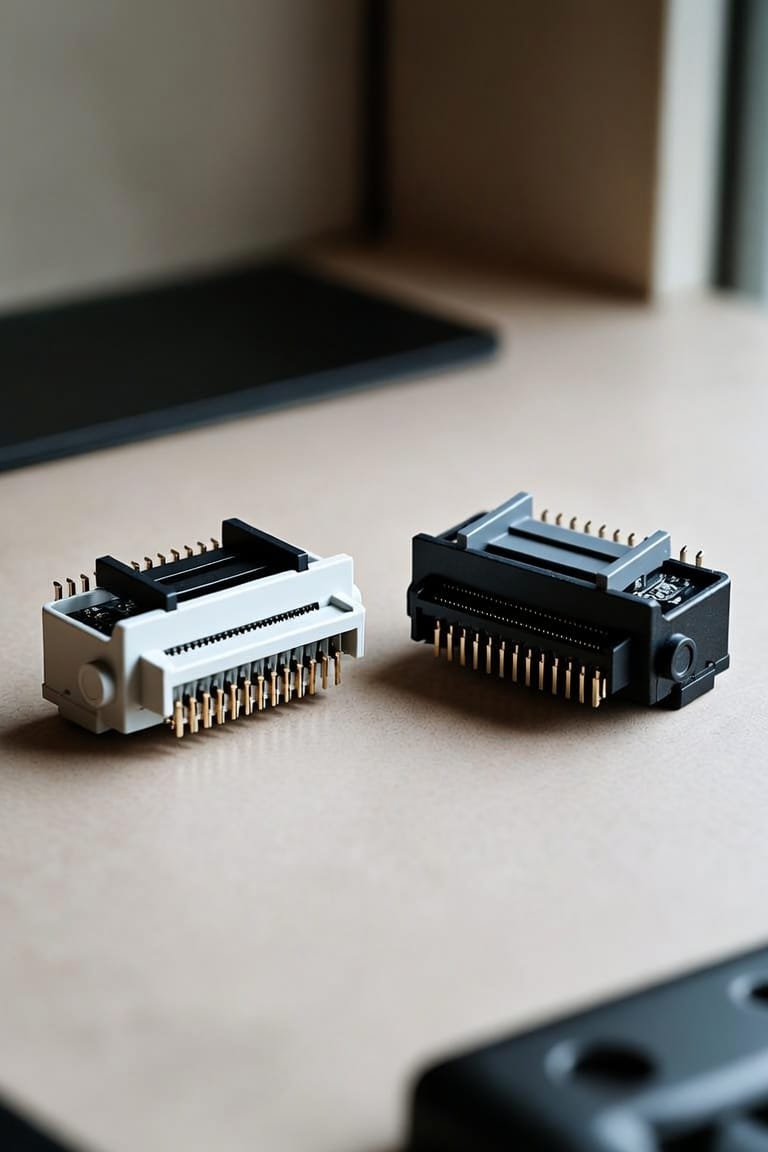
The Role of Stiffeners in Flexible Circuits
While flexible printed circuits are designed to bend, specific areas require localized rigidity to support surface-mount components, strain-relief zones, or board-to-board connectors.
Stiffeners are non-conductive or conductive materials laminated onto the back of the flex circuit using pressure-sensitive or thermo-setting adhesives. Choosing the correct stiffener material depends on mechanical, thermal, and electrical requirements.
Common Stiffener Materials
- FR-4 Stiffeners:
- Best Used For: Rigid support beneath surface-mount components, ZIF connector insertion tails, and board-to-board connectors.
- Characteristics: Cost-effective, rigid, and available in custom thicknesses to match standard ZIF connector mating specs (such as 0.3 mm total thickness).
- Polyimide Stiffeners:
- Best Used For: Reinforcing insertion ends of flex tails or increasing local film thickness for wear resistance.
- Characteristics: Excellent thermal resistance during soldering and chemical compatibility with the base flex substrate.
- Stainless Steel or Aluminum Stiffeners:
- Best Used For: High-wear environments, heavy component support, heat dissipation, and electrical ground connections.
- Characteristics: Provides maximum rigidity in ultra-thin profiles, serves as an effective heat sink, and can be electrically grounded using conductive adhesives.