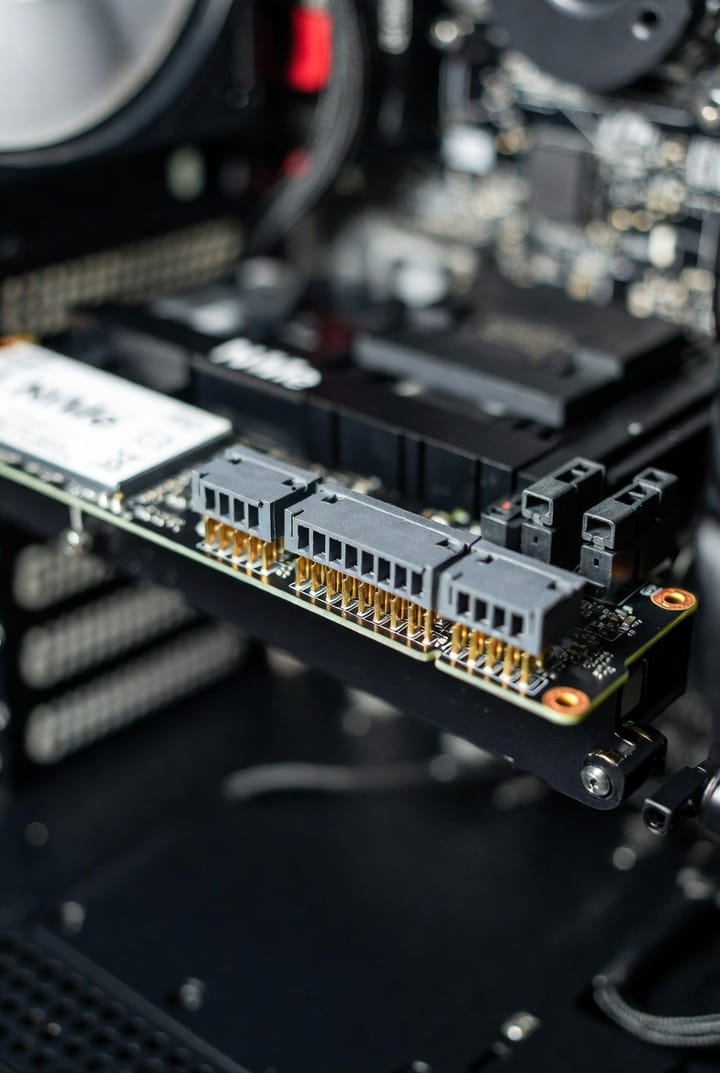
The Role of Backplanes and Blade Server Interconnects
Backplanes are the nervous system of large-scale computing. We explore the "blind-mate" features and robust alignment pins required for modular blade server architectures.
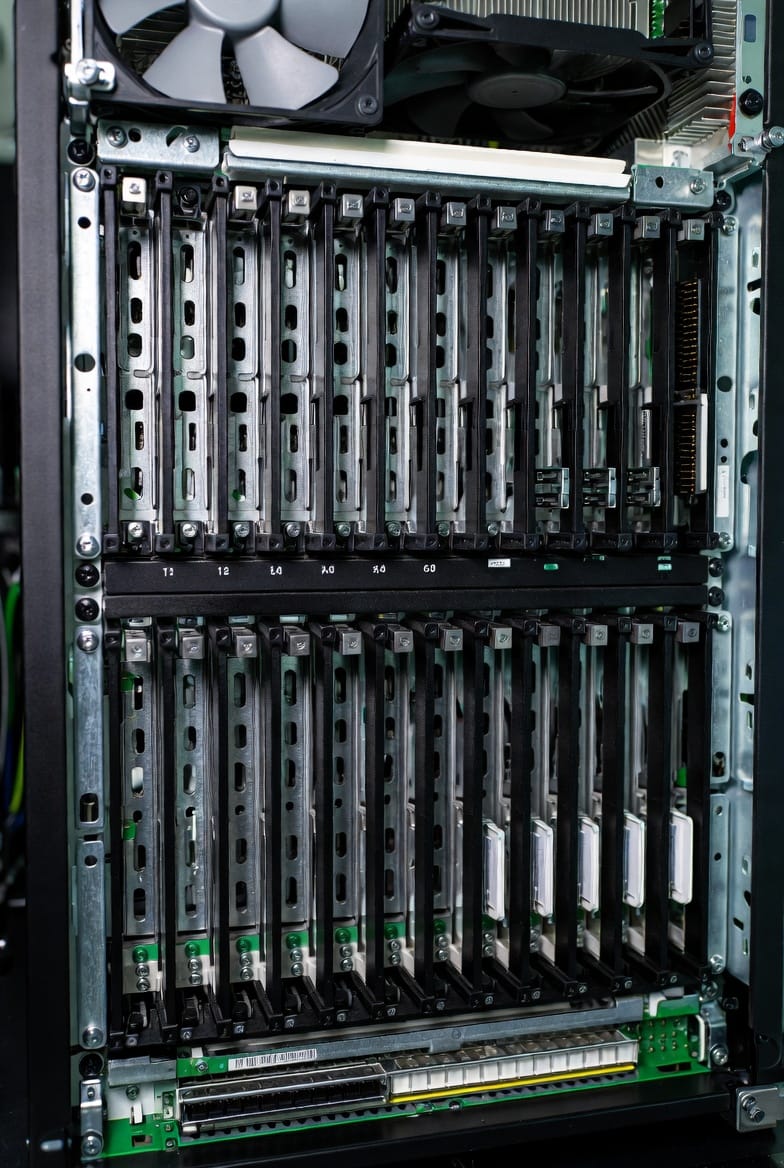
The Backbone of Scale: Backplane Interconnects
Backplane connectors are designed for systems where modular "blades" or "cards" are plugged into a central vertical rack. These are the unsung heroes of the telecommunications and data center industries, where high availability and easy maintenance are mandatory.
1. Blind-Mating and Alignment
Since a technician cannot see the connector when sliding a heavy blade into a rack, backplane connectors must be "blind-mateable." This is achieved through:
- Robust Guide Pins: These are long metal or plastic posts that align the blade before the electrical pins even touch.
- Floating Housings: The connectors themselves have a few millimeters of "play" or "float" to allow the pins to center themselves perfectly into the sockets, preventing bent pins.
2. High Pin Counts and Insertion Force
A single backplane connector can have over 500 pins. The "Insertion Force" required to push 500 pins into 500 sockets can exceed 50 pounds. To manage this, high-end systems use "Press-Fit" (compliant pin) technology on the PCB and leverage-assisted handles on the blade to ensure the user can seat the connector without damaging the board or themselves.