Beyond Amazon's Wall: The Open Android Revolution Disrupting E-Paper Tablets
The monochrome display market is changing. Consumers are ditching locked-down Kindles for full Android e-ink devices that prioritize local data control.
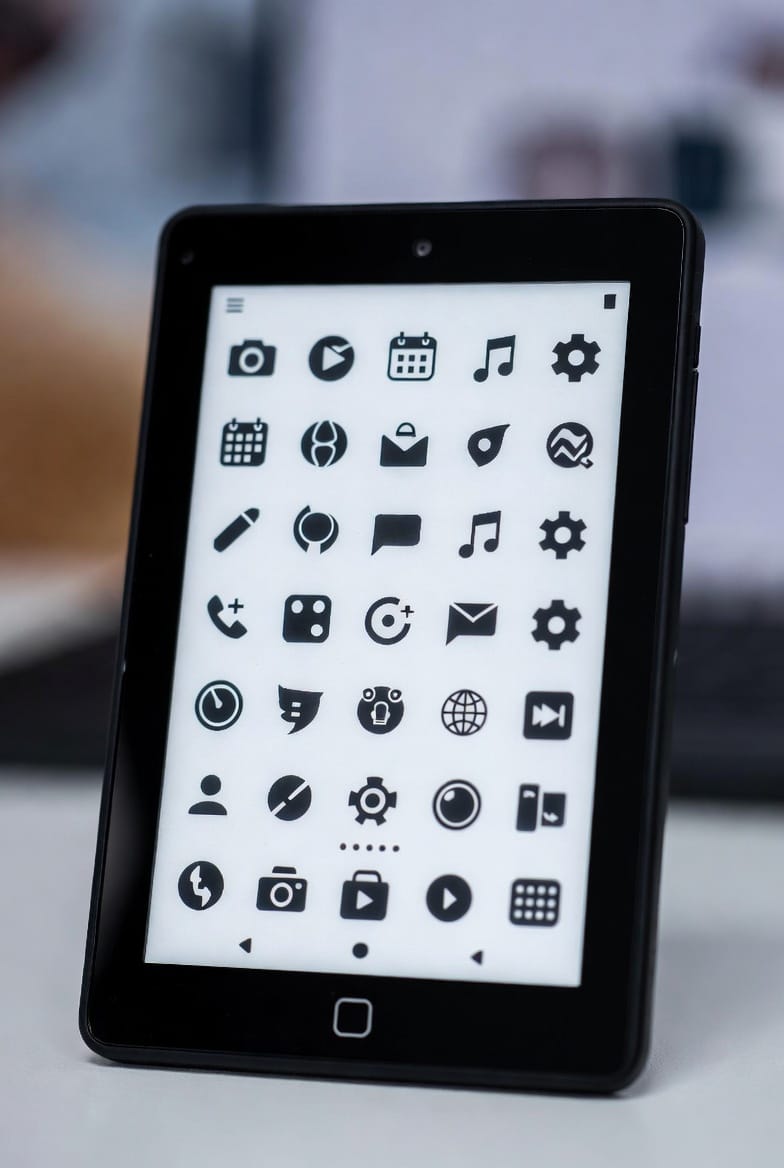
For over a decade, Amazon’s Kindle has held a de facto monopoly on the e-reader market. It was a simple formula: sell the hardware at a loss, lock users into the proprietary Kindle Store, and control the entire reading experience. If you wanted to read a document from another source, you had to jump through complex conversion hoops or use Amazon's data-harvesting "Send to Kindle" service.
That monopoly is actively crumbling. A fast-growing "Anti-Kindle" movement is driving users toward a new generation of open-architecture e-paper devices.
The Open Android Advantage
Brands like Onyx Boox, Bigme, and PocketBook are changing the expectations for what an e-ink screen can do. Instead of running a heavily restricted, locked-down version of Linux like the Kindle, these new devices run a full, optimized version of Android complete with the Google Play Store.
This architectural shift completely changes the utility of an e-ink display:
- Multi-Platform Syncing: You aren't restricted to one storefront. You can run the Kindle app, Kobo, Libby (for public library loans), and Marvel Unlimited side-by-side on the same low-strain monochrome screen.
- Local File Domination: These devices treat the user like an adult. You plug the tablet into your computer via USB-C and drag-and-drop PDFs, EPUBs, and CBZ comic files directly into local folders without proprietary syncing apps or forced cloud conversions.
- Third-Party Note Taking: With Wacom digitizer layers built in, open e-paper tablets allow you to sync your hand-written notes directly to independent, self-hosted markdown tools or privacy-respecting cloud services like Notion or Obsidian.
The Trade-off: Battery Life vs. Versatility
The migration to an open Android environment does come with a catch: battery performance.
A traditional Kindle lasts for weeks because its software is incredibly lightweight and optimized for a single task. It spends most of its life in a deep-sleep state. An Android e-paper tablet, however, has to run background processes, manage standard Wi-Fi polling, and drive a full mobile operating system. While a Kindle might last a month on a single charge, an open Android e-ink device generally needs to hit the charger every 5 to 7 days.
For power users, that is a trade-off they are more than willing to make. The ability to break free from Amazon’s digital ecosystem and truly own your reading hardware is well worth the extra trips to the wall outlet.