Shovels in the Gold Rush: The Unsung Hardware Powering the AI Boom
Don't just watch the chip designers. The real investment action on forums like r/wallstreetbets is shifting to the physical components holding server racks together.
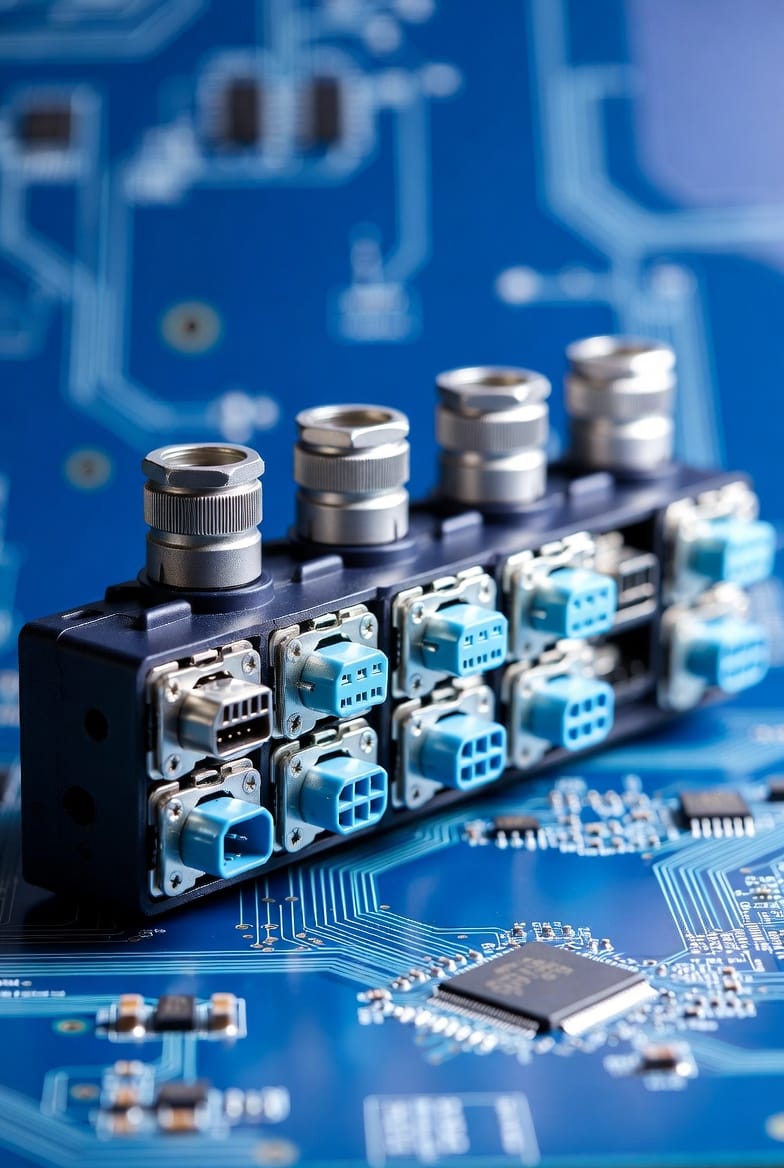
When a gold rush happens, you don't just dig for gold—you sell shovels to the miners. While the stock market remains hyper-focused on high-profile GPU designers, hardware forums and savvier investment circles are looking at the physical infrastructure keeping those chips running.
Massive AI server racks require specialized, ultra-high-density backplanes, heavy-duty power connectors, and leak-proof liquid-cooling couplers. Without these highly precise mechanical parts, high-end silicon cannot function.
The Physics of Modern AI Server Racks
The sheer density of modern accelerator boards is staggering. A single modern server chassis can draw upwards of 10 to 12 kilowatts. This power density presents massive challenges:Physical Backplanes: Standard FR4 printed circuit boards degrade signals too much at high frequencies. System designers must use premium, low-loss dielectric materials (like Megtron 6 or Megtron 8) to route traces between high-speed connectors.
Thermal Management: Traditional air cooling cannot handle these thermal loads. Racks are moving to direct-to-chip liquid cooling, requiring self-sealing, zero-drip Quick Disconnect (QD) couplers that can withstand high pressure over years of operation.
High-Power Connectors: Power delivery interfaces must route hundreds of amps directly to the processor sockets without generating excessive localized heat.
The specialized firms manufacturing these rugged mechanical interfaces, specialized copper alloys, and precision fluid-dynamics components are quietly enjoying some of the healthiest margins in the entire tech pipeline.