Environmental Sealing: Navigating IP Ratings for Connectors
Waterproofing is a spectrum, not a binary. We break down the IP rating digits to help you choose the right seals for marine, industrial, and outdoor electronic applications.
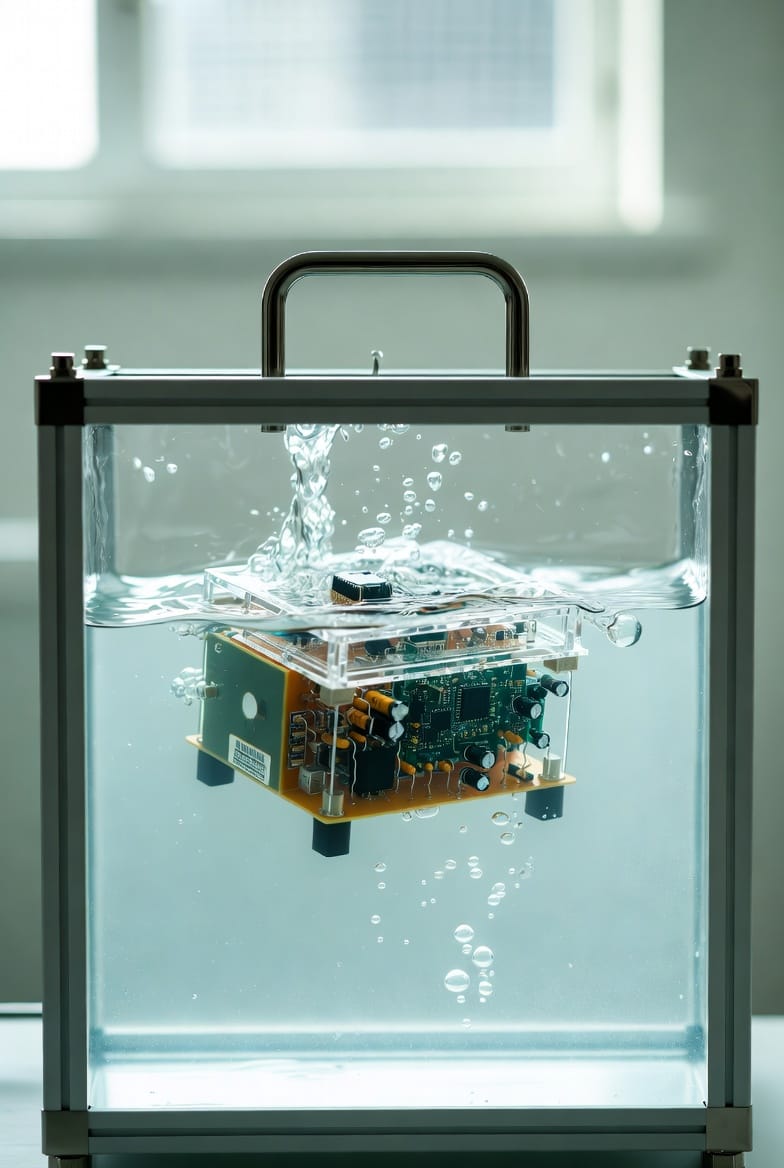
Beyond Waterproof: Understanding IP Ratings
When an electronic device is used outdoors or in a factory wash-down environment, the connector is the most vulnerable point for failure. The Ingress Protection (IP) rating system provides a standardized way to describe a connector’s ability to keep out solids and liquids. However, a "higher" number isn't always "better" for every situation.
Decoding the Digits
- First Digit (0-6): Protection against solids. A "6" means the connector is "dust-tight"—no dust can enter even under vacuum.
- Second Digit (0-9K): Protection against liquids.
- IP67: Protection against temporary immersion (1 meter for 30 minutes).
- IP68: Protection against continuous submersion (manufacturer defined).
- IP69K: Protection against high-pressure, high-temperature steam cleaning.
The IP67 vs. IP68 Misconception
It is a common mistake to assume an IP68 connector can do everything an IP67 or IP65 connector can. IP68 tests focus on pressure over time, while IP66/69K focus on high-velocity water jets. A connector that can sit at the bottom of a lake (IP68) might fail if hit with a 1000-PSI power washer (IP69K) because the seals aren't designed for that specific kinetic force. Always match the rating to the specific environmental threat your system will face.