From iPhones to EV Batteries: The Frictionless Tech Rewriting Factory Physics
Traditional conveyors are fighting a losing battle against friction, wear, and mechanical lag. Maglev transport systems rewrite the rules, unlocking unprecedented speeds.
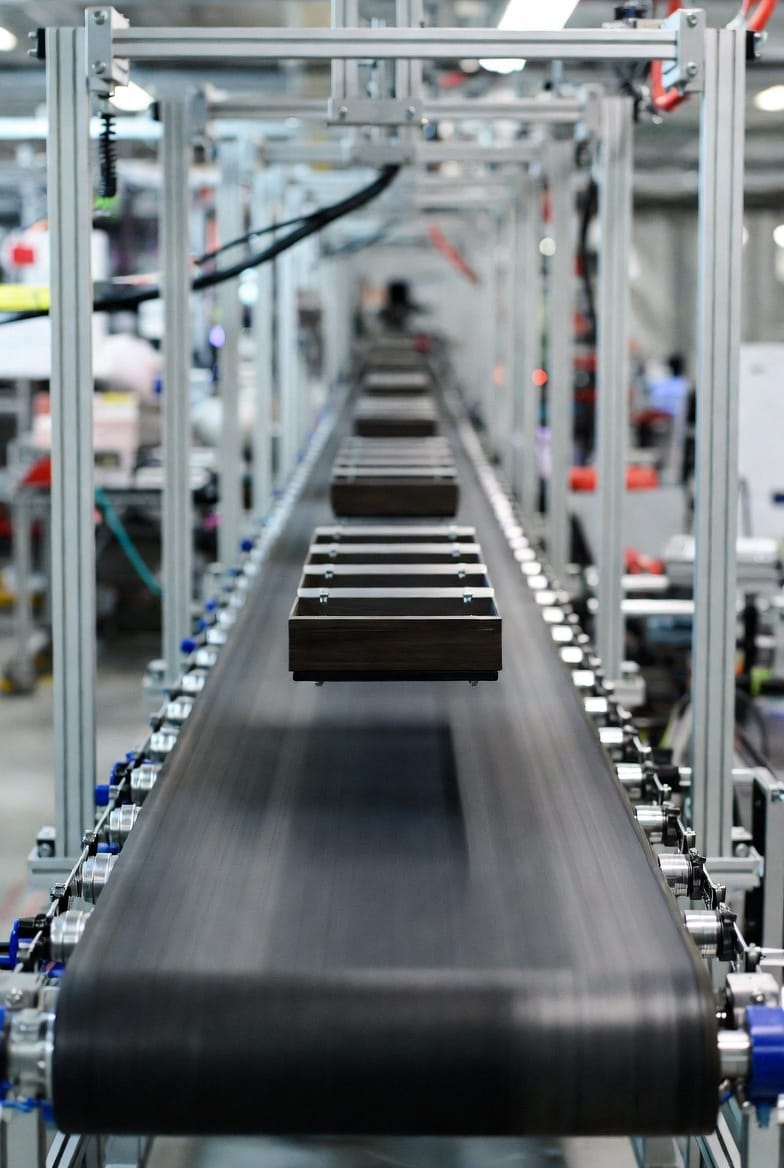
Every automation engineer knows the painful trade-offs of traditional conveyor belts. You push the speed, and suddenly you’re dealing with belt stretch, bearing failures, and a mountain of maintenance downtime. The physical limits of friction-based transport have officially hit a wall in high-throughput environments like smartphone assembly and EV battery production.
Enter the world of magnetic levitation (maglev) intelligent transport systems. By completely eliminating physical contact between the mover and the track, these systems break free from traditional mechanical constraints. Imagine a manufacturing line where individual carriers float on a magnetic cushion, achieving speeds up to $5\text{ m/s}$ with zero mechanical wear.
Without the physical drag of chains or belts, acceleration curves skyrocket. This isn't just about moving parts faster; it’s about controlling them with microscopic precision. For industries handling sensitive electronic components or heavy battery cells, frictionless transport removes the hidden enemy of automated lines: micro-vibrations and particulate debris. Upgrading to magnetic drive lines isn't just a linear improvement—it’s a fundamental shift in how we design factory throughput for 2026 and beyond.