High-Speed Networking and RF Demands Driving the Software-Defined Vehicle Architecture
Autonomous vehicles are essentially mobile data centers on wheels, requiring specialized high-speed interconnects to handle immense sensor bandwidth.
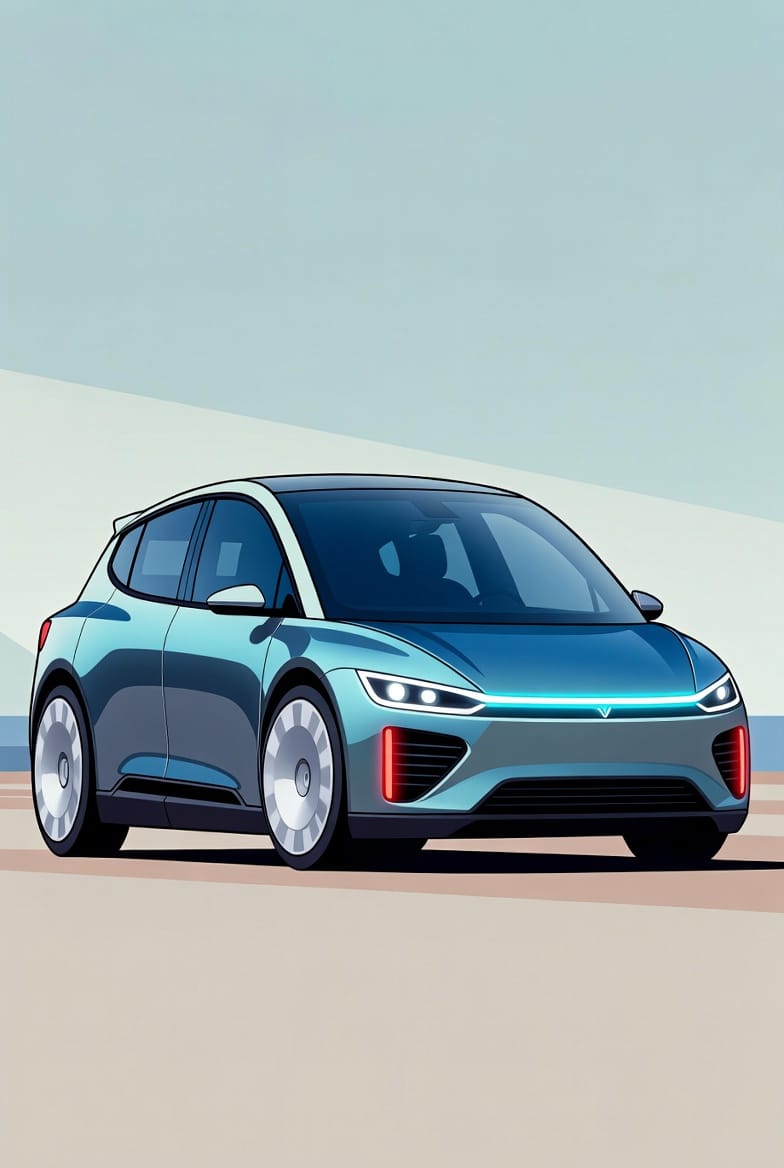
The automotive industry has officially outgrown the legacy wiring architectures that powered passenger vehicles for generations. Modern consumer cars are rapidly evolving into Software-Defined Vehicles (SDVs), characterized by a central computing hub that manages everything from cabin infotainment systems to complex Advanced Driver Assistance Systems (ADAS). This structural transformation requires automotive OEMs to completely reconsider internal wiring, moving away from low-speed, isolated loops to embrace high-bandwidth automotive Ethernet and specialized Radio Frequency (RF) coaxial connector networks.
An autonomous or semi-autonomous vehicle functions essentially as a localized data center operating under constant mechanical vibration and extreme environmental swings. The front and rear bumpers house multi-megapixel cameras, LiDAR modules, and high-frequency radar units that continuously stream raw environmental telemetry back to the central autonomous driving processor.
To prevent data delay that could compromise safety braking sequences, these sensor feeds are routed through hardened high-speed Ethernet connectors and miniature RF coaxial lines like FAKRA or HSD interfaces. These connectors are specifically engineered with secure mechanical locking tabs, robust continuous metal shielding to block electromagnetic interference from the high-voltage drivetrain, and advanced weather sealing to guarantee perfect signal transmission over a vehicle's multi-decade operating life.