Mechanical Death: The Surprising Rule for Buying Hard Drives Today
Solid-state drives have won the war for speed, but mechanical hard drives still have a place in heavy-duty storage—if you know what technical pitfall to avoid.
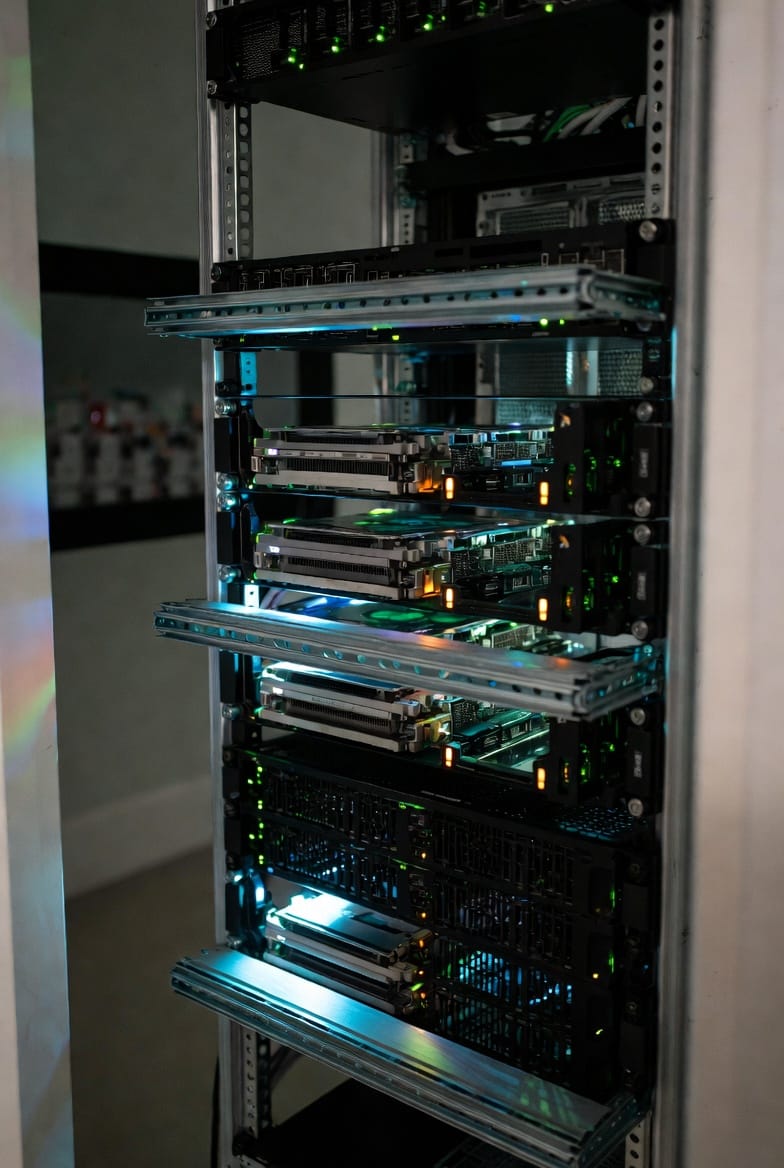
SSDs have officially won the war for our daily boot drives, games, and applications. Yet, for massive media archives, home media servers, and cold backups, the mechanical hard-disk drive (HDD) remains the king of cost-per-gigabyte.
However, buying an HDD is no longer simple. Manufacturers often quietly slip SMR (Shingled Magnetic Recording) technology into budget drives without clearly labeling it.
The Physics of SMR vs. CMR
To pack more data onto physical drive platters, SMR drives overlap data tracks like shingles on a roof.
While this design works fine for reading data, writing to an SMR drive is a nightmare. To modify a single piece of data on an overlapped track, the drive head must read the neighboring tracks, update them in a temporary cache, and rewrite the entire physical block.
This causes write speeds to drop to a crawl during large, sustained transfers. Even worse, SMR drives frequently drop out of RAID arrays because the controller thinks a drive has failed when it takes too long to complete a write sequence. For reliable network-attached storage (NAS) and heavy backups, you must look for CMR (Conventional Magnetic Recording) drives.