New Era for the Brick-and-Mortar SIM Card
The physical SIM card tray is steadily disappearing from global flagship smartphones, forcing a transition to pure digital network provisioning.
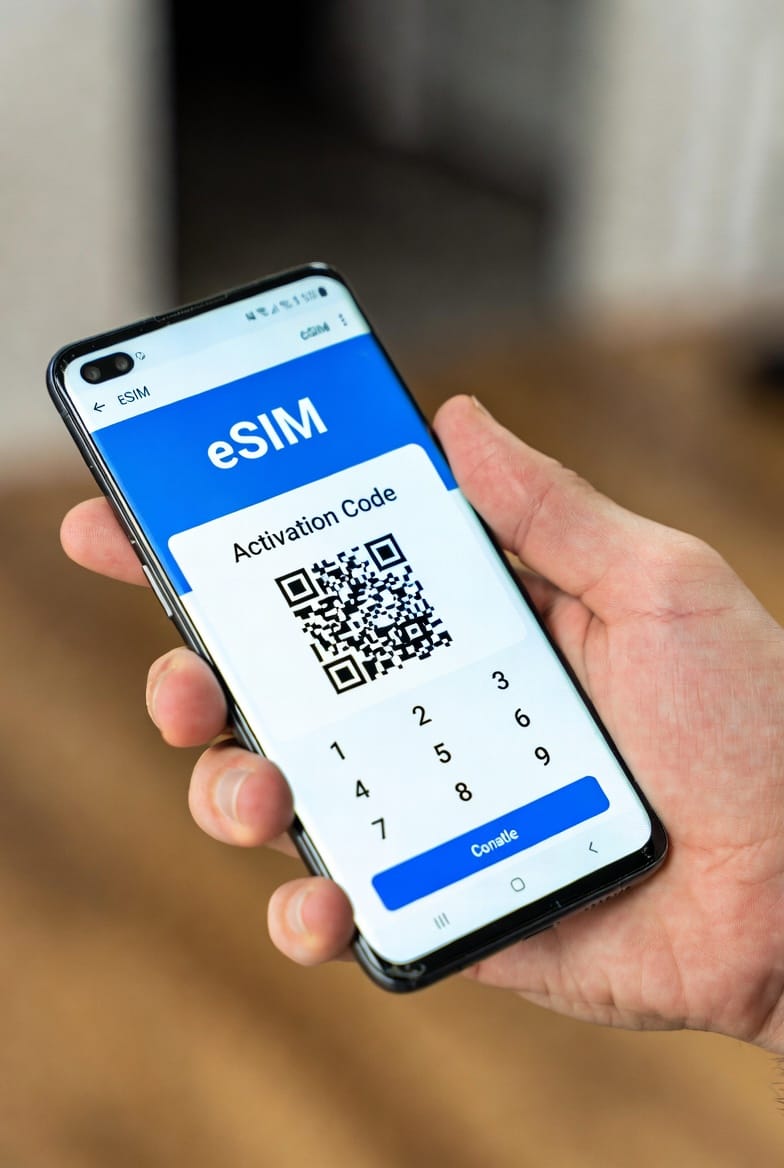
The removal of the physical SIM card tray is a classic example of hardware optimization clashing with real-world user convenience. From an internal design standpoint, eliminating the SIM tray is a massive win: it frees up valuable logic board real estate, removes a primary failure point for water ingress, and simplifies the structural manufacturing of the phone chassis.
However, the rapid transition to an all-eSIM infrastructure has exposed significant friction points within the global telecommunications landscape. While activating a digital profile via a carrier app is seamless within domestic high-tier networks, international travelers frequently run into logistical hurdles.
In many developing regions, the local cellular economy still relies completely on physical prepaid SIM cards sold at kiosks and transit hubs. Travelers entering these corridors with eSIM-only devices are forced to navigate complex digital portals, pay inflated international roaming rates, or rely entirely on spotty public Wi-Fi networks. Until global regional carriers unify their digital onboarding processes, the erasure of the humble plastic SIM card remains a highly debated trade-off.