The Dangers of Intermateability: Why Cross-Breeding Fails
Just because it fits doesn't mean it works. We explore the hidden risks of "cross-mating" connectors from different brands and why sticking to a single ecosystem is vital for safety.
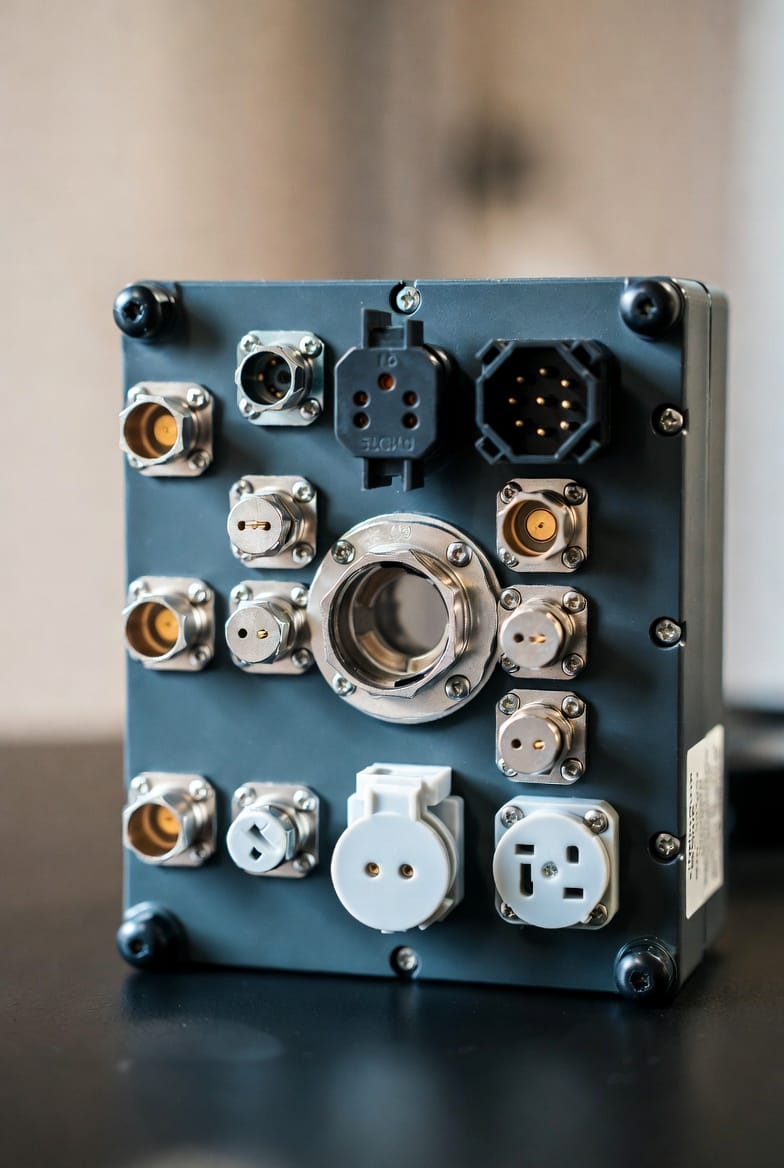
The Intermateability Trap: A Warning to Engineers
In the electronics industry, many connectors are "standards-based," such as the USB-C or the MC4 solar connector. This leads engineers to believe that a male plug from Manufacturer A will work perfectly with a female socket from Manufacturer B. In high-power or high-reliability applications, this "intermateability" is a dangerous assumption that can lead to fires and system failures.
The Problem of Tolerance Stacking
Every manufacturer has slightly different tolerances for pin diameter, spring tension, and plastic housing dimensions.
- Loose Connections: If Manufacturer A’s pin is at the bottom of the tolerance range and Manufacturer B’s socket is at the top, you get a loose connection. This causes "micro-arcing," which carbonizes the contact and eventually leads to a total loss of power.
- Material Incompatibility: Different manufacturers use different plating chemistries. Mixing them can trigger rapid galvanic corrosion, especially in humid environments.
The Legal and Warranty Reality
Most major connector manufacturers (like Molex or TE Connectivity) will only guarantee their performance specifications if both halves of the connection are from their own product lines. In the event of a field failure or a fire, using "cross-mated" connectors can void your product's safety certifications (UL, CE) and leave your company liable for damages. The safest path is to always specify and purchase mating pairs from the same manufacturer.