The Evolution of Multi-Modal Agentic Smart Glasses and the Shifting Augmented Reality Landscape
The consumer tech landscape is moving away from heavy virtual reality headsets toward lightweight smart glasses driven by ambient, multi-modal AI agents.
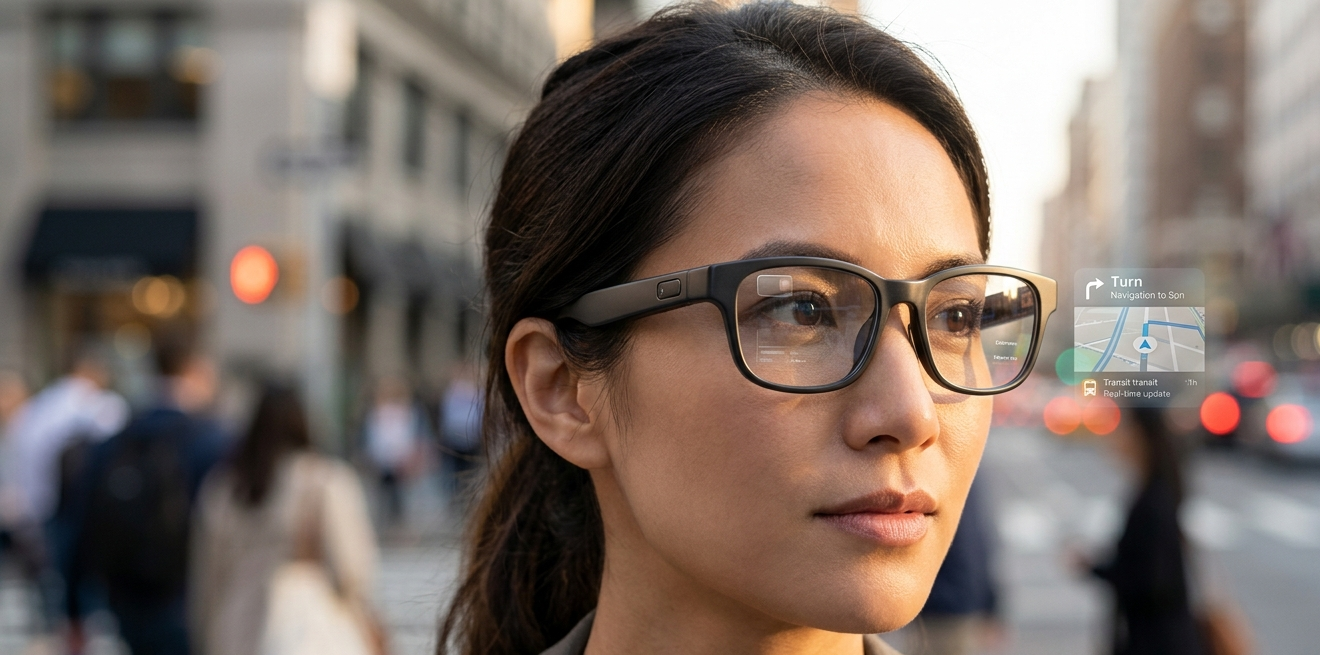
For years, the technology sector attempted to define augmented and virtual reality through increasingly complex, fully enclosed headsets. While these devices delivered impressive spatial fidelity, their substantial physical weight, brief battery endurance, and complete social isolation relegated them to niche gaming applications and highly specialized enterprise training workflows.
The current product design shift focuses instead on lightweight, everyday smart glasses form factors that integrate ambient artificial intelligence directly into the frame. Rather than attempting to display heavy, floating 3D spatial environments, these new devices prioritize context-aware audio feedback and heads-up text overlays to augment the user's daily reality without obscuring it.
The true enabler of this device category is the miniaturization of front-facing camera lenses paired with highly optimized, multi-modal AI models. By continuously parsing what the wearer is looking at, these glasses act as an active cognitive assistant. They can translate real-world physical signage on the fly, extract text from documents, or provide real-world step-by-step assembly assistance through integrated micro-speakers—all while maintaining the physical weight, look, and feel of standard prescription eyewear.