The High-Stakes Wait for iOS 26.4: Can Siri 2.0 and Apple Intelligence Finally Deliver?
Apple has been promising a fully context-aware, intelligent virtual assistant for over a year. The upcoming launch of Siri 2.0 puts that promise to the test.
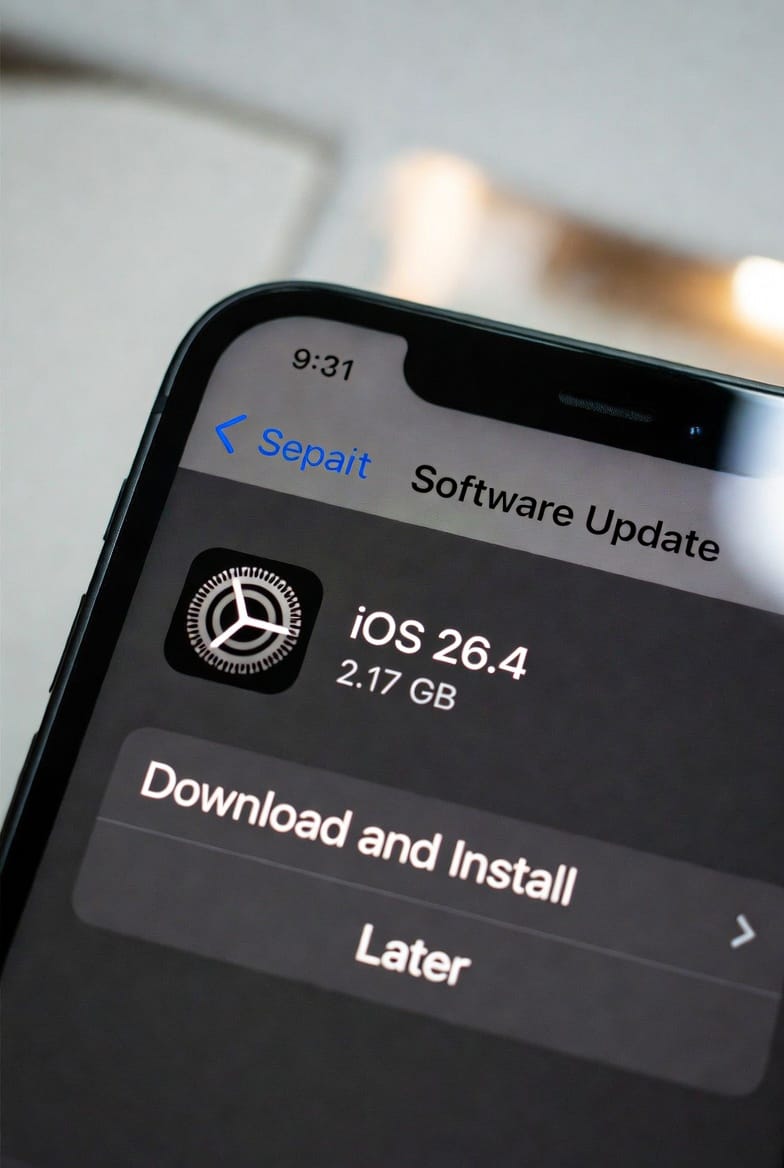
Few software features have faced as much continuous scrutiny and anticipation as Apple's long-promised overhaul of its virtual assistant. Ever since the initial unveiling of Apple Intelligence, the tech giant has pitched a vision of a deeply integrated assistant capable of onscreen awareness, personal context parsing, and precise cross-app execution. Following extended development timelines, the pressure is mounting as the industry prepares for the pivotal iOS 26.4 update.
The upcoming launch of Siri 2.0 represents a major architectural shift away from rigid, keyword-based command processing toward a local, semantic LLM engine. Rather than simply routing basic queries to a search engine or failing at multi-step requests, the upgraded architecture is engineered to understand natural, conversational speech and maintain context across long threads of interaction.
The true test for Apple Intelligence in this release cycle will be its execution of local, on-device actions. Power users are tracking whether the assistant can reliably parse personal data—like scanning an email for a flight itinerary, cross-referencing it with real-time traffic data via Maps, and automatically updating a calendar invite—without sacrificing processing speeds or compromising Apple's signature hardware-walled privacy framework. With competitors advancing their local agentic software, this update is a critical moment for iOS ecosystem loyalty.