The Silicon-Carbon Battery Revolution
The decade-long dominance of standard lithium-ion batteries is facing its biggest disruptor yet. Silicon-carbon technology is rewriting the rules of smartphone thickness and capacity.
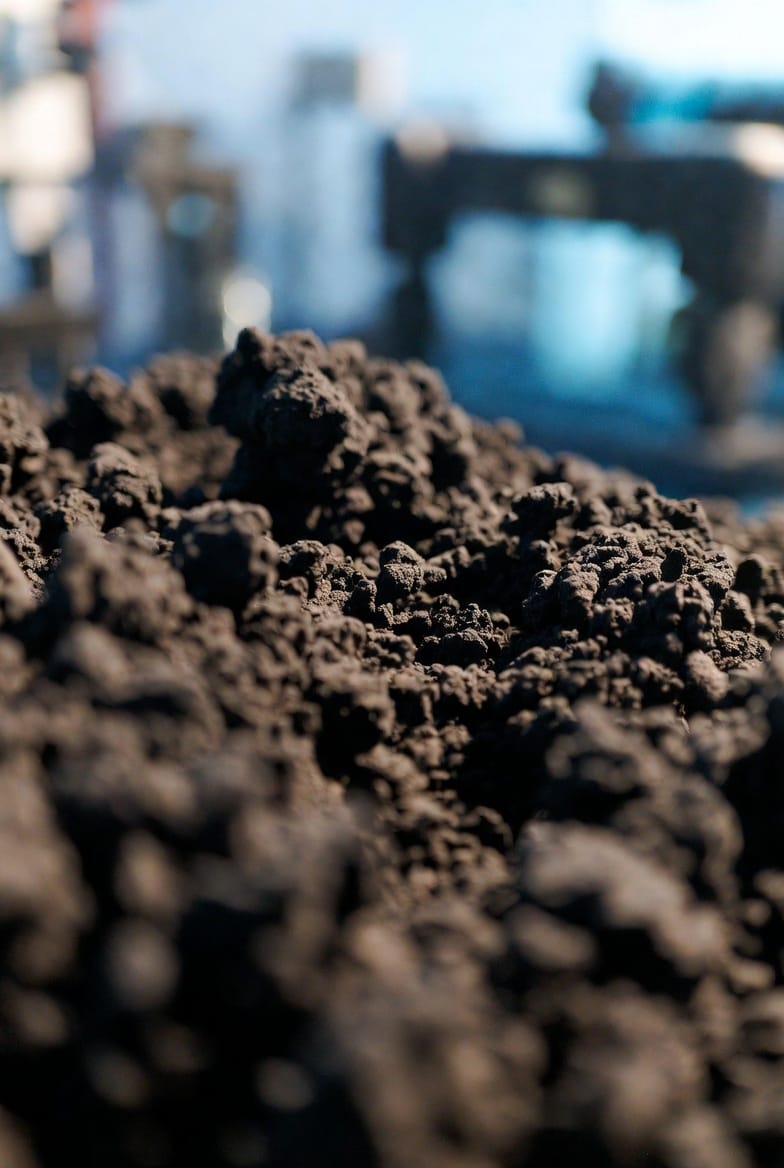
For years, the physical footprint of smartphones was constrained by an immovable barrier: the graphite anode inside standard lithium-ion batteries. To get a larger battery capacity, you simply had to build a thicker, heavier phone.
The industry shift to silicon-carbon (Si-C) composite anodes has shattered that rule. Silicon has a theoretical energy density significantly higher than traditional graphite, allowing it to hold significantly more lithium ions at the atomic level. By blending carbon with silicon to prevent the material from physically expanding and degrading during rapid charging cycles, battery manufacturers are achieving energy densities approaching 600 Wh/kg.
In real-world hardware, this means devices can pack a 5,500mAh to 6,000mAh cell into a chassis that measures under 8mm thick—capacities previously reserved for bulky, ruggedized tablets. While global Chinese brands have aggressively commercialized this technology to maintain ultra-thin profiles, focus is shifting to how the rest of the industry will implement these composite anodes to keep up with the intense power drain of continuous on-device AI processing.