The Ultimate Showdown: Traditional Conveyors vs. Intelligent Transport Systems (iTS)
Choosing between a cheap belt conveyor and an intelligent transport system is a classic engineering dilemma. Here is how to evaluate the long-term ROI.
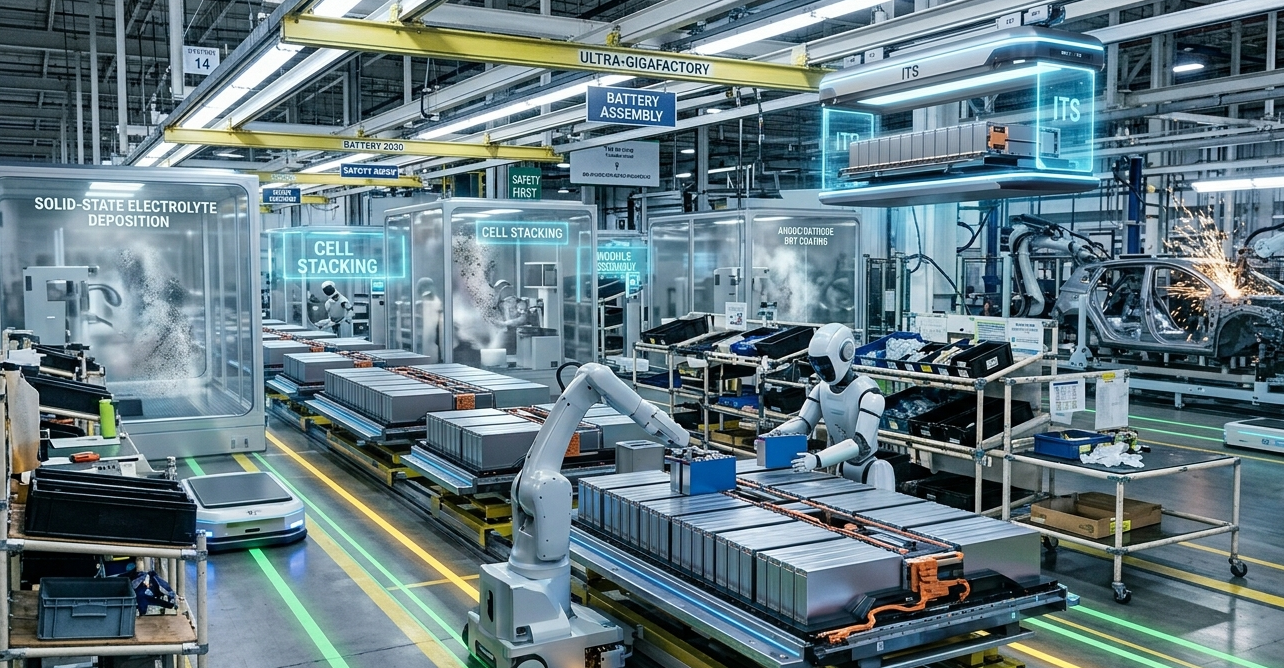
When designing a new production line, the temptation to cut capital expenditures by specifying standard, off-the-shelf belt or chain conveyors is incredibly strong. They are cheap, familiar, and easy to understand. But looking only at upfront hardware costs often blinds engineering teams to the massive operational expenses down the road.
Traditional conveyors excel at one thing: moving bulk items from Point A to Point B at a fixed speed. The moment your process requires variable positioning, independent station dwell times, or cleanroom compliance, standard belts become a nightmare of add-on sensors, pneumatic stops, and frequent maintenance intervals.
Intelligent transport systems (iTS), while requiring a higher initial investment, compress your line's footprint by combining transport, positioning, and buffering into a single smart system. Because software controls the movement, you eliminate hundreds of failure-prone mechanical parts. When evaluating the two, look beyond the initial purchase order—factor in machine footprint, changeover times, energy consumption, and maintenance costs over a five-year lifecycle.