Thermal Management Engineering via Solid-State Active Cooling Micro-Chips in Handheld Electronic Devices
Mechanical cooling fans are hitting a physical barrier in slim device design. Solid-state MEMS micro-chips are stepping in to deliver silent, high-pressure thermal management.
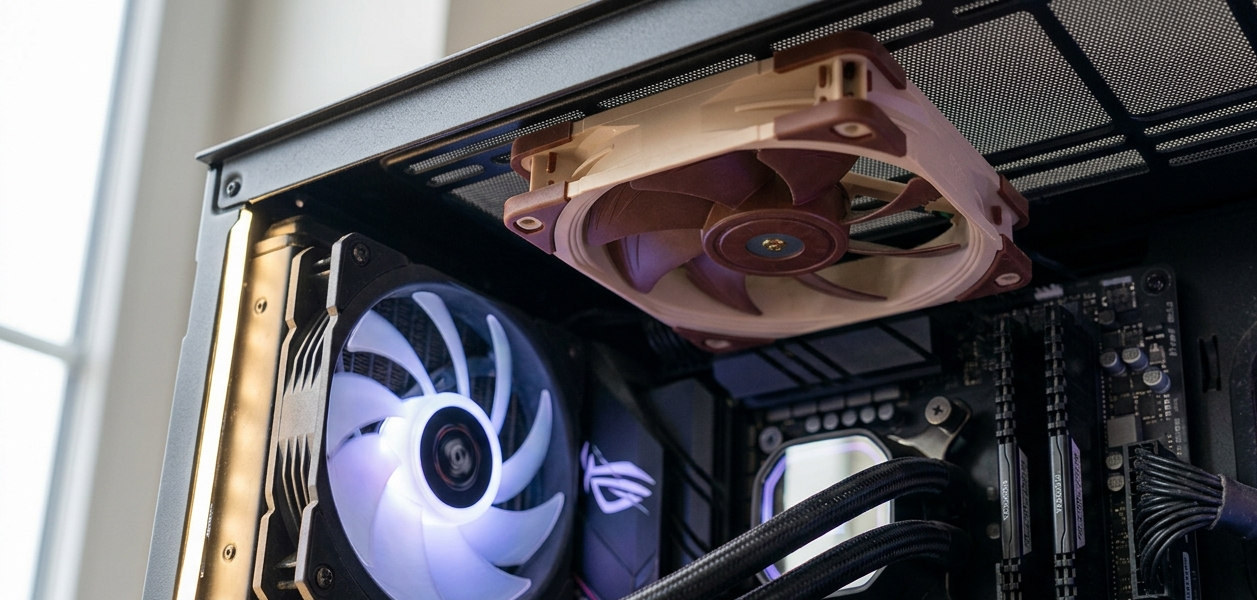
The constant demand for slimmer laptops, ultra-thin smartphones, and high-performance handheld gaming devices has placed a severe strain on traditional thermal management architectures. For decades, hardware designers relied on two options: passive cooling (which limits sustained processing speeds) or mechanical fans (which introduce physical wear points, noise, and significant space constraints).
The emergence of commercialized solid-state active cooling chips—such as Frore Systems' AirJet architecture—presents a radical departure from conventional physics. These ultra-thin modules utilize internal micro-electromechanical systems (MEMS) membranes that vibrate at ultrasonic frequencies. This rapid mechanical movement generates focused, high-velocity pulsating jets of air that travel directly across a copper heat spreader.
The engineering advantage of this solid-state layout centers on static backpressure. By generating substantial pressure within a module measuring less than 3mm thick, these micro-chips can force cooling air through dust-resistant and water-resistant physical filters. This pressure profile allows hardware engineers to design completely sealed, thin consumer devices that maintain maximum sustained clock speeds during heavy computing tasks without running into thermal throttling.