Unmasking the 2026 Smartphone Disconnect: Genuine Utility vs. Marketing Hype in On-Device AI Features
Smartphone manufacturers are leaning heavily into generative AI branding, but mobile power users are starting to question whether these tools offer real-world value.
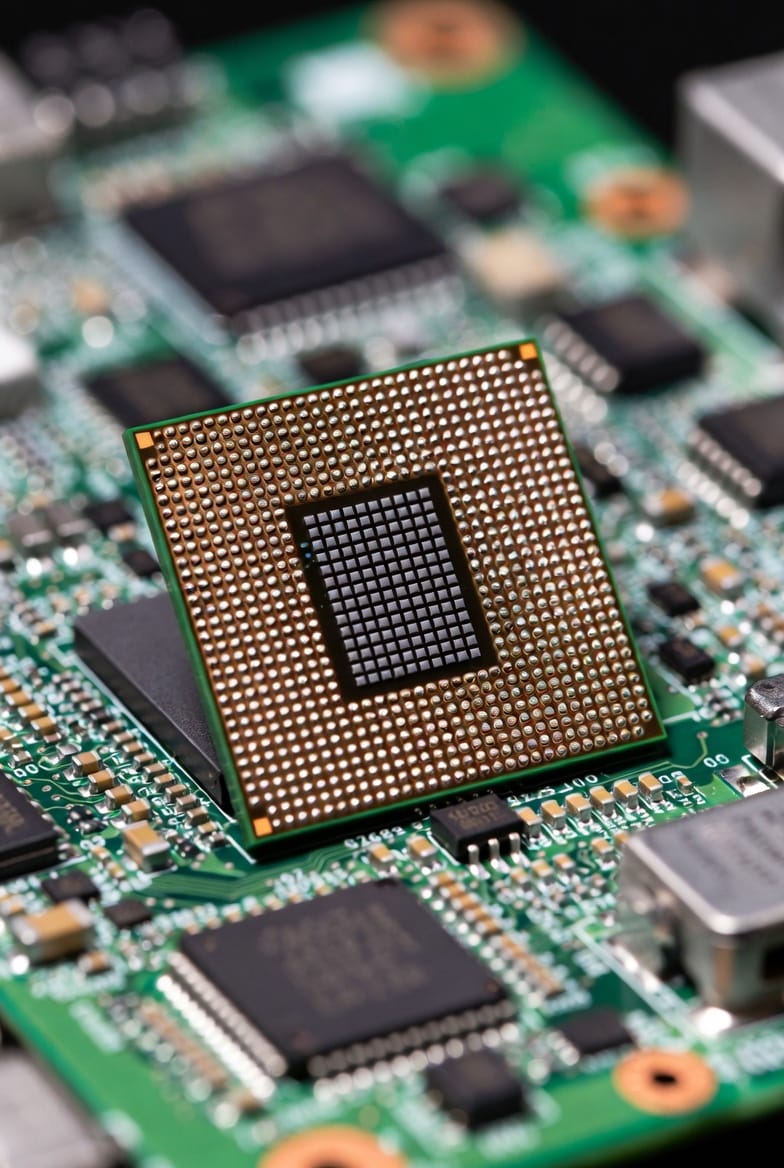
The smartphone landscape has undergone a massive shift toward localized, on-device artificial intelligence. Every major product launch features presentations dedicated to neural processing units (NPUs), generative text summarizers, and contextual software layers. Yet, as these features settle into the daily user experience, mobile tech communities are increasingly divided over a fundamental question: are these tools actually reshaping mobile productivity, or are they just flashy software solutions looking for a problem?
The friction lies in the distinction between active utility and passive gimmicks. On one side, features like real-time, system-wide live translation during voice calls and automated, intelligent folder organization provide clear, tangible benefits for business professionals and power users. These localized multi-modal models can parse context natively across multiple local applications without compromising data privacy or requiring cloud connectivity, turning the smartphone into a truly proactive assistant.
Conversely, a large segment of the consumer base feels bombarded by features that feel like a rearrangement of existing tools wrapped in AI branding. Automatic text rewriting, predictive emoji suggestions, and basic notification grouping are frequently called out on community boards as minor software iterations disguised as revolutionary hardware breakthroughs. Until manufacturers focus on deep, cross-application automation that genuinely streamlines daily workflows, the broader conversation will remain deeply skeptical of the AI label.