Why On-Device Generative AI Models Are Forcing a 12GB RAM Hardware Baseline
The era of offloading AI tasks to the cloud is ending. Local, on-device large language models are here, and they have an unyielding appetite for system memory.
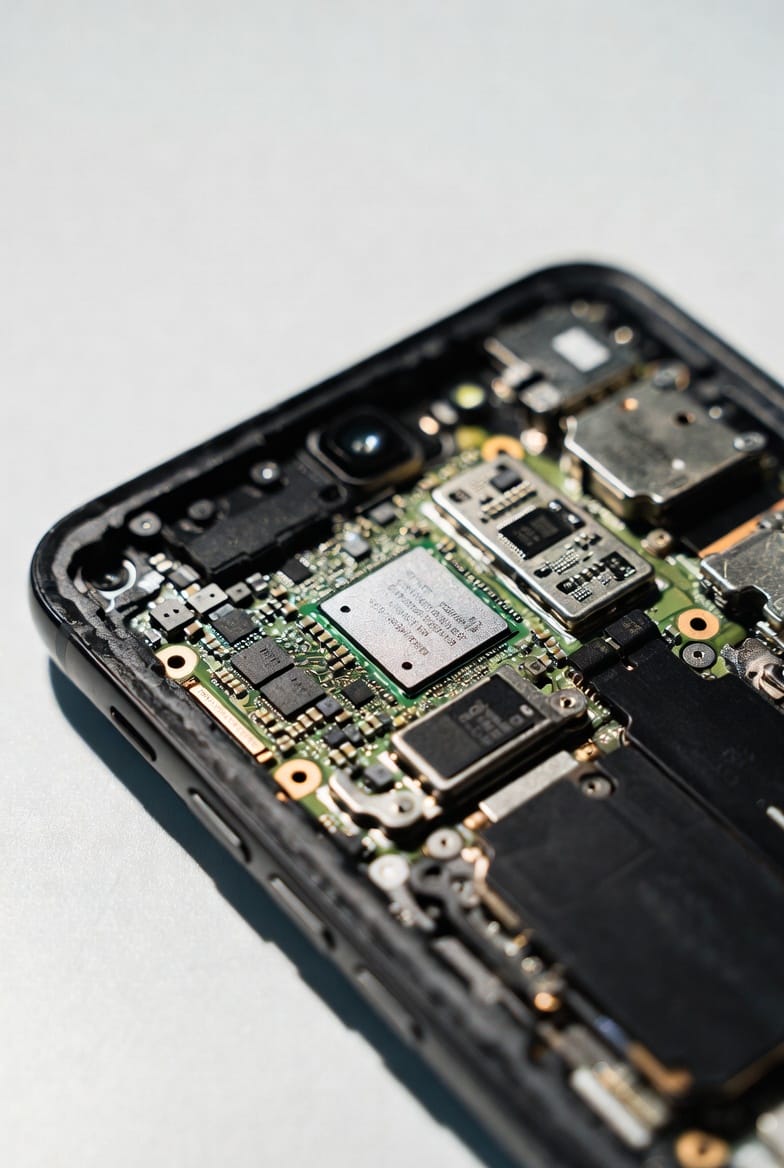
For a long time, 8GB of RAM was considered the ideal sweet spot for flagship mobile devices, offering plenty of overhead for UI fluidness, heavy multi-tasking, and mobile gaming. However, the integration of deep, system-level generative AI has fundamentally altered memory allocation rules.
Unlike standard apps that load into volatile memory and release their footprint when closed, localized large language models (LLMs) and contextual AI agents must reside permanently within a protected partition of system RAM to ensure instant responsiveness. If the operating system clears the model to make room for a web browser or the camera app, the next AI query suffers from a massive latency penalty while the model reloads from flash storage.
Because system layers require dedicated space to handle advanced cross-app automation locally, 12GB has fast become the functional minimum for any device claiming true on-device intelligence. Hardware architectures carrying less memory are forced to rely on cloud-dependent fallbacks or aggressively close background tasks, transforming RAM back into a premier competitive hardware metric.