Dual Technical Conundrums: Balancing 800V EV High-Voltage Power Channels and 224 Gbps Server Data Lanes
Connector manufacturers are fighting a multi-front war, balancing extreme high-voltage safety in electric vehicles against blistering high-speed data integrity in AI infrastructure.
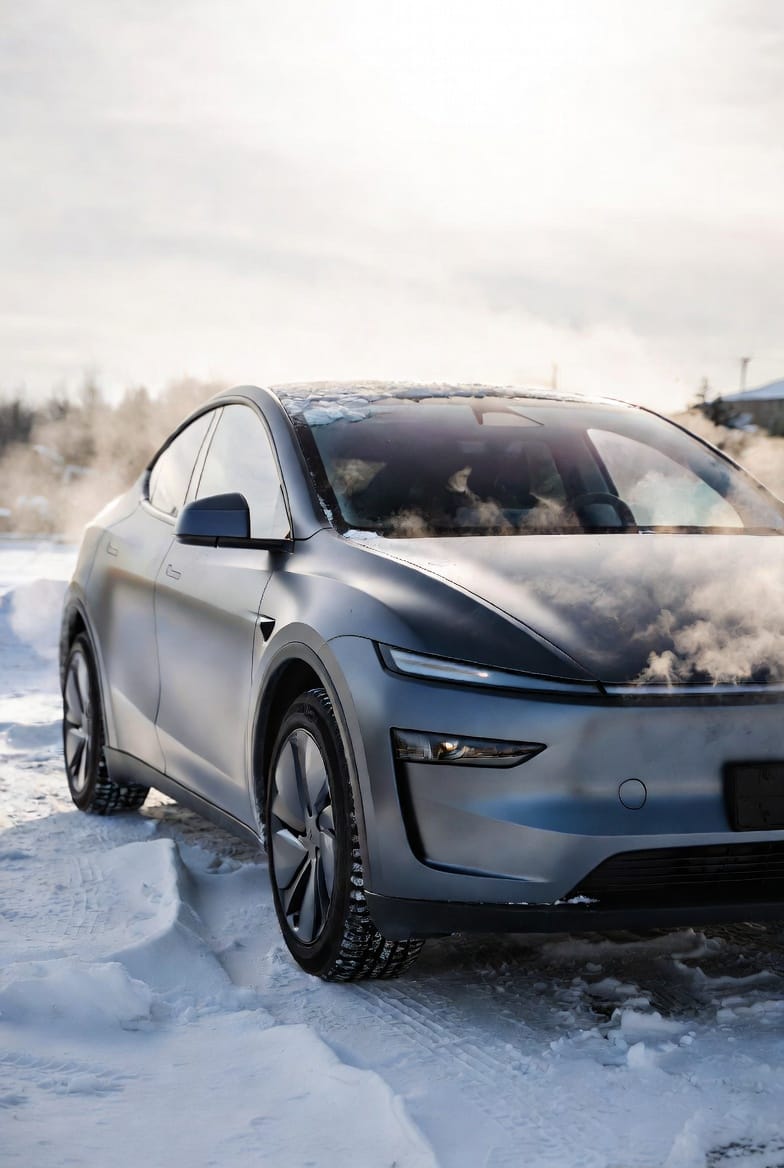
The field of connector engineering is experiencing a fascinating parallel evolution, finding itself pushed to opposite physical extremes by two completely different industries simultaneously. In the automotive sector, electric vehicle (EV) architectures are rapidly moving away from legacy 400-volt infrastructures to transition toward ultra-fast-charging 800-volt to 1,000-volt battery packs. At the exact same time, enterprise computing engineers are demanding internal data transmission networks capable of maintaining 112 Gbps to 224 Gbps per lane data rates. This simultaneous double-barreled demand is putting unprecedented technical pressure on global component manufacturers.
While the core objectives differ—the automotive sector is fighting to control high-amperage electrical arcs and thermal runaway, while the server sector is fighting to prevent high-frequency data signal degradation—the underlying material science challenges are remarkably similar. Both domains require rapid innovation in advanced polymer chemistry for better housing insulation and sophisticated electromagnetic shielding to prevent cross-channel interference.
For example, EV systems require robust, touch-safe charging couplers and battery connections designed for arc prevention, thermal insulation, and strict safety interlocks. On the other hand, AI server architecture demands multi-layered shielding fabrics and strict dielectric control to limit insertion loss and crosstalk under PAM-4 signaling. Whether handling massive electrical currents in a vehicle chassis or routing billions of processing packets across an AI accelerator baseboard, the margins for engineering error have effectively dropped to zero.